


For a Limited Time: Cheaper Dendy Cinemas – Portside Budget Tuesdays

In case you haven’t heard, Dendy Cinemas Portside and Coorparoo have made Budget Tuesdays even more affordable.


Every Tuesday until 31 May 2022, movie goers get treated to a specially reduced ticket price, regardless of their choice of movie to watch.

Portside Cinema’s regular ticket price costs just $8 while those at Coorparoo cost just $10. Premium Lounge sessions in Coorparoo cost $20. Tickets can be purchased online (plus booking fee) or in person.

Here’s what’s on at Dendy Cinemas – Portside on 26th April 2022 (Tuesday).

  • The Unbearable Weight of Massive Talent  

Cast: Nicolas Cage, Pedro Pascal, Sharon Horgan, Tiffany Haddish, Ike Barinholtz, Alessandra Mastronardi, Jacob Scipio, Neil Patrick Harris

Director: Tom Gormican

Session Times: 2pm, 4.40 PM, 7 PM

  • The Northman 

Cast: Alexander Skarsgård, Nicole Kidman, Claes Bang, Anya Taylor, Ethan Hawke, Willem Dafoe

Director: Robert Eggers

Session Times: 10.30 am, 4.00 pm, 6.45 pm

  • The Duke

Cast: Jim Broadbent, Helen Mirren, Fionn Whitehead, Matthew Goode, Anna Maxwell Martin, Jack Bandeira, Aimée Kelly

Director: Roger Michell

Session Times: 10.30 am, 4.50 pm, 7 pm

  • The Lost City

Cast: Sandra Bullock, Channing Tatum, Daniel Radcliffe, Da’Vine Joy Randolph, Patti Harrison, Oscar Nunez, Brad Pitt

Directors: Adam Nee, Aaron Nee

Session Times: 10.40 am, 2.30 pm, 7 pm

  • Fantastic Beasts: The Secrets of Dumbledore

Cast: Eddie Redmayne, Jude Law, Ezra Miller, Dan Fogler, Alison Sudol, Callum Turner, Jessica Williams, Katherine Waterston, Mads Mikkelsen 

Director: David Yates

Session Times:  10.30 am, 1.10 pm, 6.30 pm

  • Elizabeth: A Portrait in Parts

Cast: Queen Elizabeth II as Self, Roger Michell, Kevin Loader, Kevin Loader, Roger Michell, Peter Touche, Samantha Allwinton, Hugo Grumbar 

Director: Roger Michell

Session Times: 10.30 am, 12.30 pm

  • Sonic the Hedgehog 2

Cast: James Marsden, Ben Schwartz (Sonic’s voice), Jim Carrey, Tika Sumpter, Natasha Rothwell, Adam Pally, Shemar Moore, Colleen O’Shaughnessey (Tails’ voice), Lee Majdoub, Idris Elba (Knuckle’s voice)

Director: Jeff Fowler

Session Time: 4.10 pm

  • The Batman

Cast: Robert Pattinson, Zoë Kravitz, Paul Dano, Jeffrey Wright, John Turturro, Peter Sarsgaard, Andy Serkis, Colin Farrell

Director: Matt Reeves

Session Time: 1.15 pm

  • Rabbit Academy

Cast: Senta Berger (Madama Hermine’s voice), Friedrich von Thun (Eitelfritz’s voice), Katharina Straßer (Gudrum’s voice)

Director: Ute von Münchow-Pohl

Session Time: 4.45 pm

  • Ambulance

Cast: Michael Bay

Director: Jake Gyllenhaal, Yahya Abdul-Mateen II, Eiza González

Session Time: 1.40 pm


Tickets can be purchased online (plus booking fee) or in person.

Get to Know Katana, a Hamilton Landmark Since the 19th Century

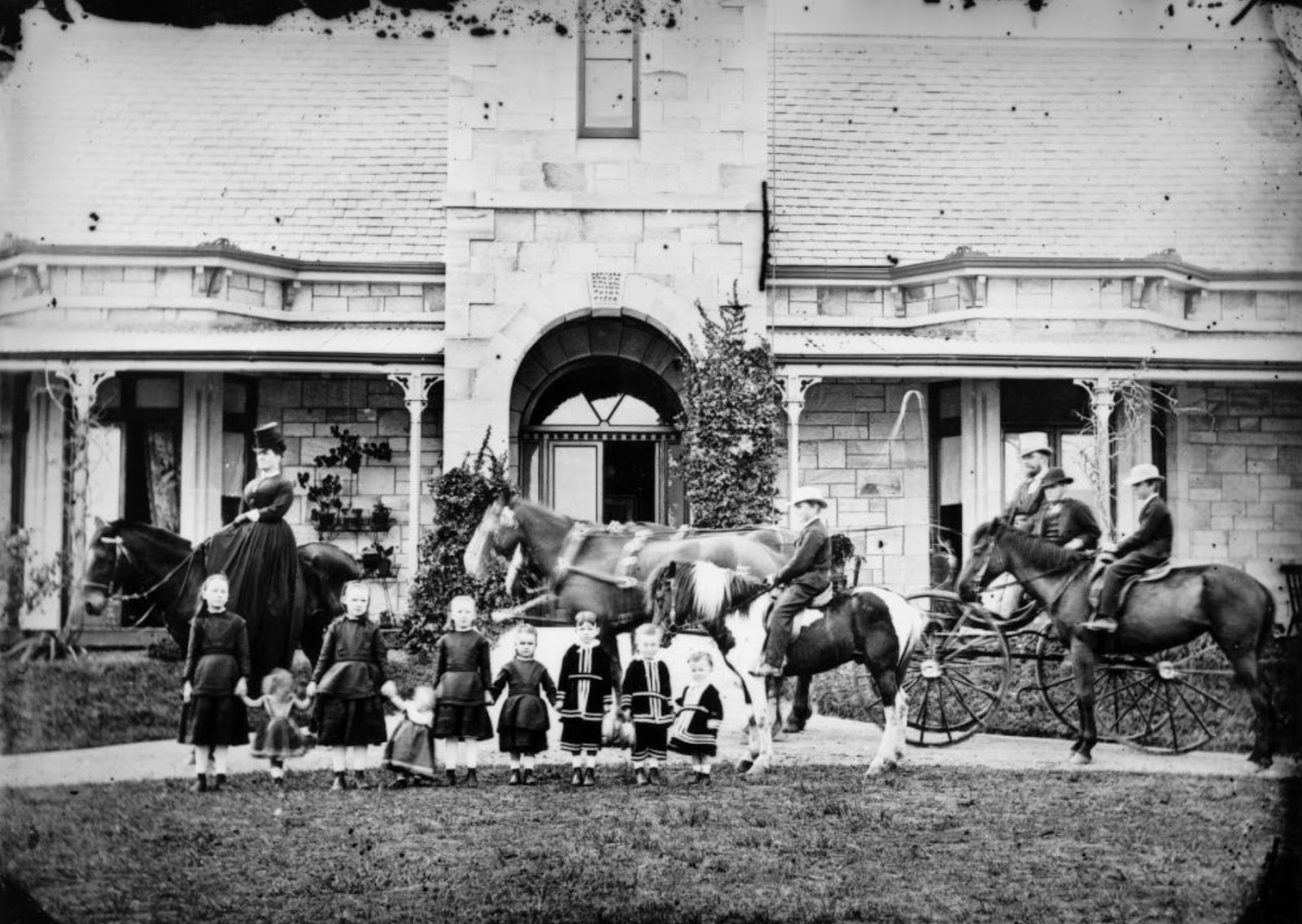
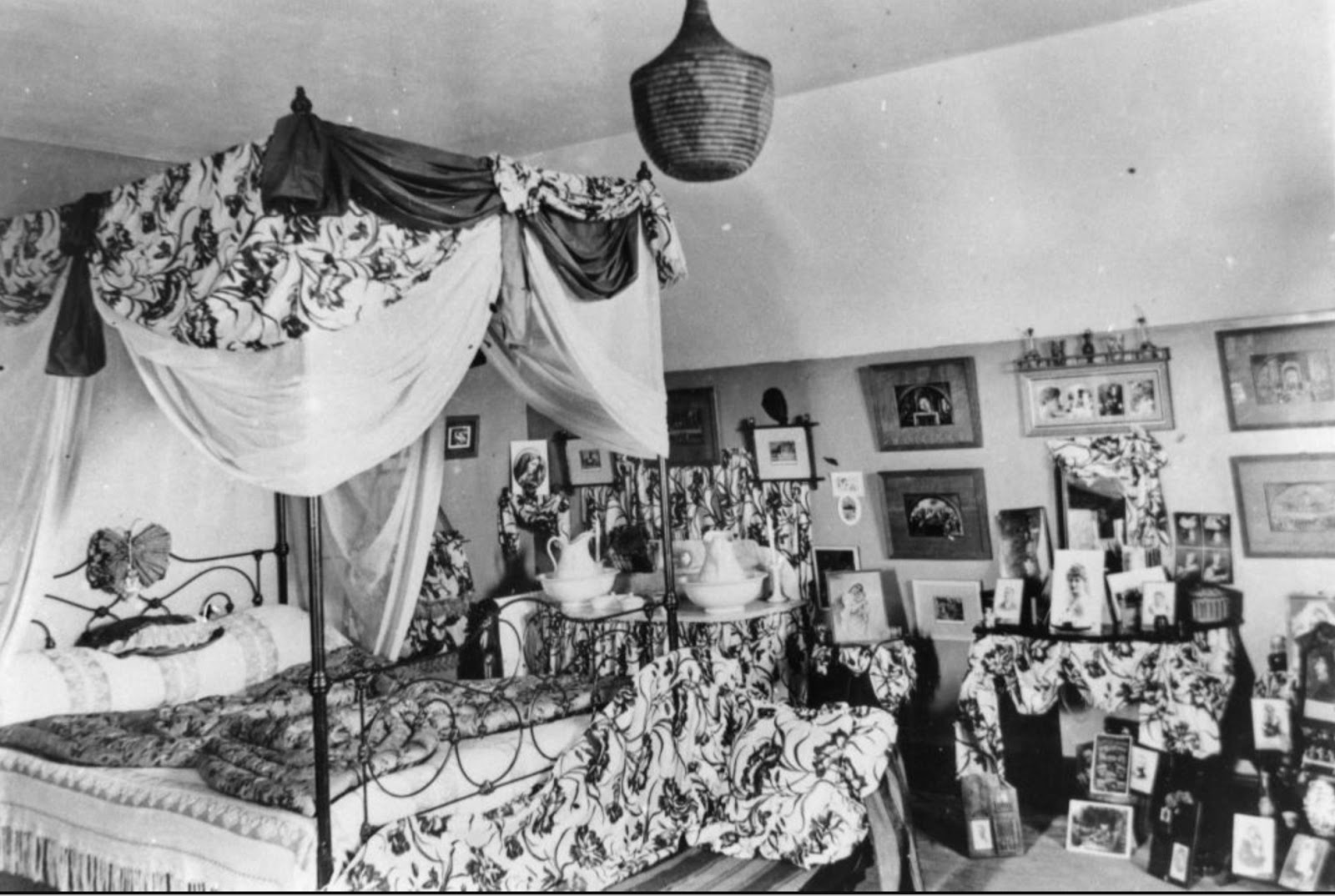
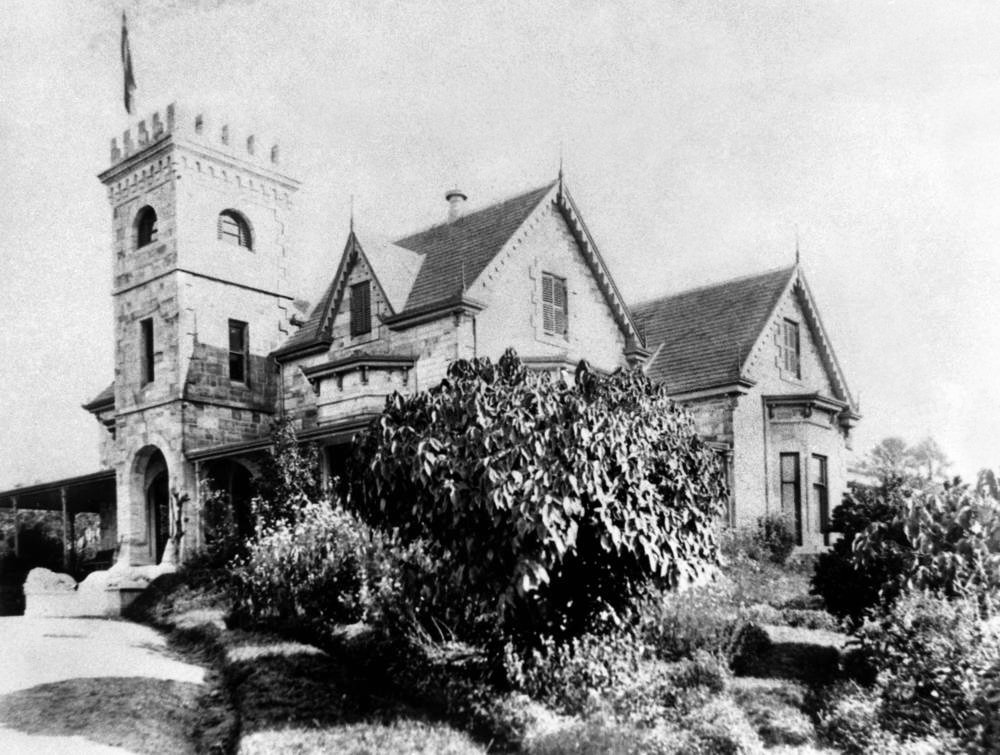
Katana, a Colonial-style timber and tin house on Langside Road in Hamilton, was constructed in 1884 for James Robert Dickson Jr and his wife, Cordelia. It is one of the most historically significant properties on a street that exhibits the residential development of the suburb in the late 19th century.

Oliver Jonker Recently in History Katana

William Weekes and John Cooksley, both land speculators, used to own the land where Katana stood, until Mr Dickson Jr bought a parcel of the allotments when it was offered for development.

During this time, Hamilton was already characterised by large estates and beautiful homes but there were still plenty of lands that were still underdeveloped. 

The vacant lands slowly turned into a precinct with some of the finest estates in Brisbane. Hamilton and its neighbouring suburb, Ascot, were slowly emerging as elite residential sites populated by the city’s prominent, moneyed families.


Who was James Dickson Jr?

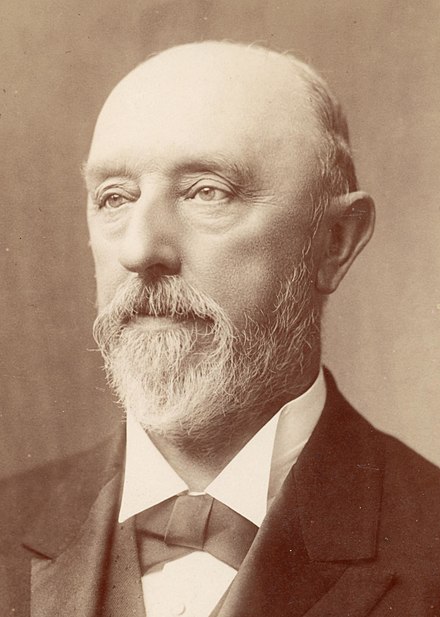
The original owner of Katana, Mr James Dickson Jr, was one of six sons of the Honourable James Robert Dickson, a prominent businessman and politician. 

The older Dickson, who originally hailed from Glasgow before moving to Queensland in 1862, briefly served as the 13th Queensland Premier. He also had the Toorak House built along Annie Street in Hamilton.

James Robert Dickson
Photo Credit: State Library of Queensland

The younger Dickson worked in his father’s auction house on Queens Street and eventually took over the business when his father retired and travelled around Europe from 1888 to 1892. 

It was believed that the Dicksons moved out of Katana around 1905 and sold the property to the next private owners. By the 1920s, the land was further subdivided and reduced but the house has remained intact all these years.

Katana: Truly Special

Aside from being the home of a prominent Queensland family, Katana’s location offers many advantages that last up to today. It has a lovely view of the city and aside from the panoramic view, the home enjoys cooling breezes from the river. The house is also close to the city and its amenities. 

Katana views
Photo Credit: Ray White Listing

The architecture of Katana is historically significant because it is a fine example of the type of construction of homes belonging to the upper-class and moneyed middle class in the Hamilton and Ascot area during the late 19th century, a time when both suburbs started to acquire their elite status.

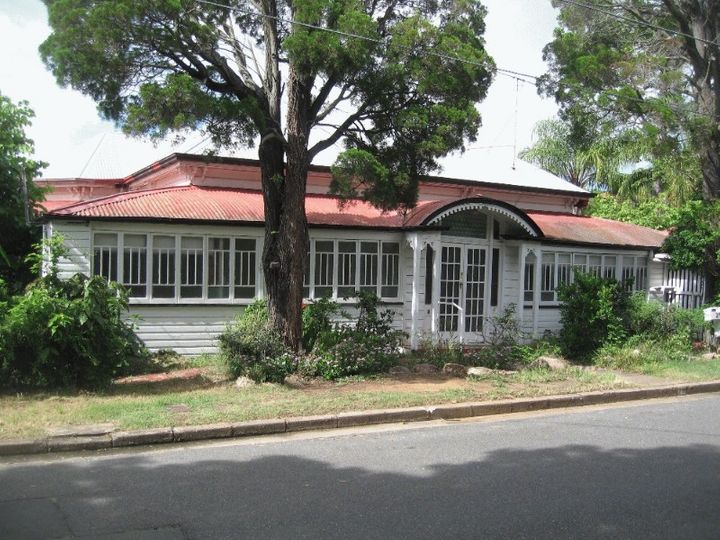
The tin and timber residence was constructed in the Colonial style. The central feature of the house frontage is the front door and there is an arched frontispiece in the verandah roof right above the main entry.

Katana
Photo Credit: Ray White Listing

The house has a symmetrical frontage and a separately roofed verandah encircling the structure.

Corrugated iron makes up both roofs, whilst the exterior walls are timber .

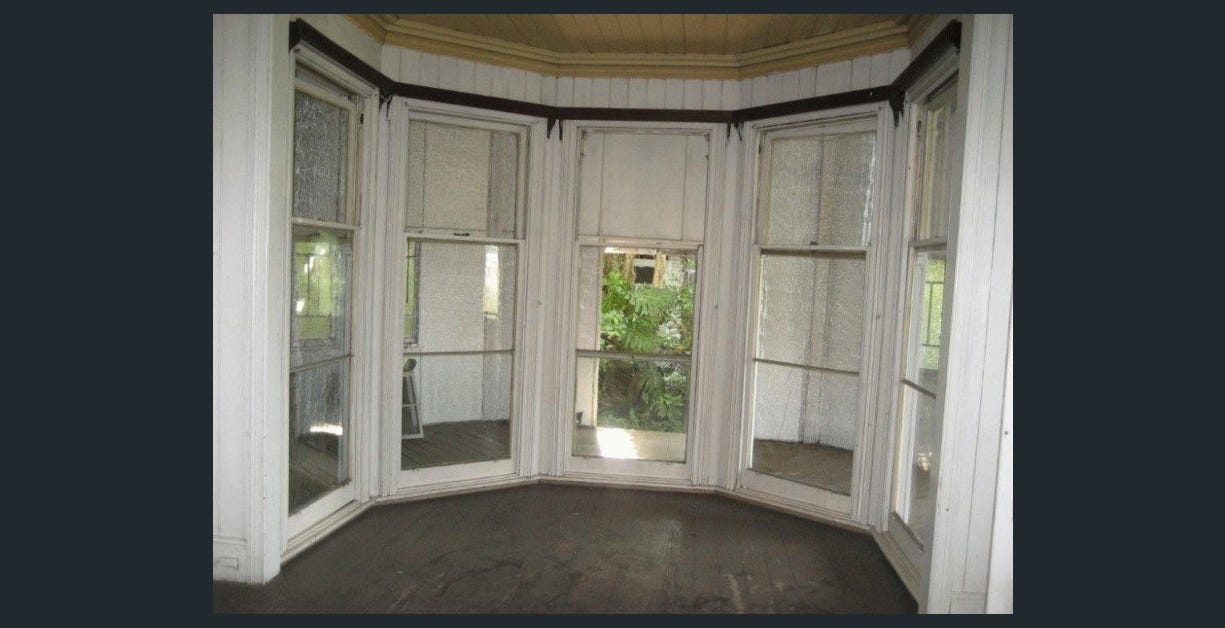
The main roof has a steep pitch and a short ridge. There is a brick chimney in the back. The underside of the gutter of the main roof has a decorative apron and the concave verandah roof is enclosed with a row of casement windows.

Katana indoors
Photo Credit: Ray White Listing


Katana currently has four bedrooms and two bathrooms. It was sold for $2.2 million in 2008 and then sold again for $2.52 million in 2020, after only 22 days on market.  

Savvy Buyers Continue to Bet on the Hamilton Property Market

In 2021, Hamilton property values soared, with the median house price ending up just shy of the $2-million mark, as savvy buyers snapped up prime buys in this blue-chip suburb.

Hamilton Property Values: Houses

Figures from Property Market Updates revealed that Hamilton property values got even stronger, as the median house price increased by 18.03 per cent from January 2021 to December 2021. The median house price has gone up to $1,947,500 from $1,650,000 in the previous year. 

Some 129 houses were sold for this period at an average of 65 days on market, with a fourth of the buyers coveting four-bedroom family homes.


Hamilton House Price Growth
Photo Credit:  Property Market Updates

In October 2021, a vacant, run-down two-bedroom brick and tile house, standing in the middle of a big chunk of land at 1,138 square metres, sold within 72 hours for an astounding $4.6 million. 

The house, completed in the early 1950s, has been eyed by investors for years due to its prestige location next to rows of beautiful mansions. The new owner of the sought-after site plans to knock down the old house and build two new modern homes. 

Hamilton Property Values: Units

Hamilton’s unit market had a busy year with 462 properties sold within an average of 70 days on market. The median unit price grew to $555,000 from $500,000 in the previous year, ushering an 11 per cent growth from January 2021 to December 2021.

Hamilton Unit Price Growth
Photo Credit:  Property Market Updates

Many first home buyers are snapping up real estate in Hamilton, especially at the rows of new apartment builds in the Portside and Northshore precincts to get their foot at the door of this blue-chip suburb.

Two-bedroom units attracted most buyers who are young professionals with some money to save to invest in a property. However, downsizers whose kids have settled in a home of their own are also moving into the Hamilton property market.

About Hamilton

Hamilton is an old-money suburb that has undergone a much-needed revamp in the last decade with the upgrades at Portside Wharf and Northshore. The revitalised precincts provide upscale residential opportunities, cafe and restaurant offerings, as well as an eclectic mix of retail shops.

The suburb keeps growing due to its fantastic location and good planning. Hamilton is both close to the CBD and to the airport, thus it’s an ideal place to live for many executives, high-level people in business, and professionals or specialists in high-profile industries. 

Hamilton
Photo Credit:  Property Market Updates

Over the years, Hamilton has become a liveable cosmopolitan precinct but its potential to grow still hasn’t peaked. By 2023 the suburb is primed for a major transformation with the opening of the Athletes’ Village for the Brisbane 2032 Olympic and Paralympic Games. Post-Olympics, this precinct will be high in demand for the residential offering, retirement living, affordable housing, or build-to-rent and market accommodation.


“Hamilton is perfect for social people. Kingsford Smith Drive is a major road connecting the airport and the City. There are so many things to love about this busy road if you live on it as I do. It is easy to get to the city and the airport, Racecourse Road is close by for shopping and dining out, a hop skip and jump to the Portside Wharf for great bars and cinema and the river.”

Garry

“It’s all here on your doorstep! My car only comes out to go to work. Cycle and pedestrian paths along the river all the way to Powerhouse passing beautiful parks where you can relax and enjoy the views. Eat Street markets have reopened and thriving. There’s even a beach up near Hamilton reach where I take my dog for a run in the sand. Life is good at Hamilton on the river.”

Deborah

Plans Unveiled For New Aeromedical Facility At Brisbane Airport

Brisbane Airport Corporation is planning to set up a $72-million aeromedical base to connect more Queenslanders to major hospitals and life-saving medical care. 


Read: GEODIS Warehouse Construction at Brisbane Airport’s Export Park Begins


With over 14,000-sqm space, the Queensland Regional Aeromedical Base will feature state-of-the-art hangars for fixed- and rotary-wing aircraft, an administration building, and basic medical facilities.

The new precinct will be built to help with Queensland’s capacity for regional patient transfers and donor transfers throughout the State. It will also house aircraft and resources for the Royal Flying Doctor Service, LifeFlight, and Queensland Health.

The aeromedical base will be located between the two parallel runways on the northern end of the airport, near the current RFDS base.

aeromedical facilit
Artist’s impression of proposed aeromedical facility (Photo credit: Brisbane Airport Corporation)

Gert-Jan de Graaff, BAC’s CEO, said the airport offered an unparalleled aeromedical address with the size and flexibility needed to deliver special purpose developments.

“As the heart of the Queensland network for patient retrieval and medical transfers, the Queensland Regional Aeromedical Base at Brisbane Airport will enhance the network of aeromedical bases located throughout regional Queensland,” Mr de Graaff said.

Throughout construction, the precinct will create an estimated 200 jobs, and the base itself will contribute $100 million per year to the Queensland economy.

Brisbane Airport
Photo credit: Brisbane Airport/Facebook

“A world-class development like this is not only a reflection of the strategic value of Brisbane Airport’s location and amenity, but also of our ability to deliver the best aeronautical connectivity and capacity thanks to our parallel runway system,” Mr de Graaff added.

BAC is working with the State Government, RFDS, and LifeFlight to finalise these plans before seeking approval from the Federal Government to proceed with the new facility.

Construction of the new combined aeromedical base at Brisbane Airport is expected to be complete by April 2023. 

Artists and Innovators Invited to Share Creative Vision With Northshore Hamilton

Are you an artist or an innovator who would like to see your creative vision included in Hamilton’s Northshore precinct, the largest waterfront urban renewal project in Queensland?


Read: Portside Wharf IGA to Go Upmarket With Its Planned Expansion


Whether you’re an Individual or an organisation, you can now register your expressions of interest at Economic Development Queensland to help establish and operate immersive experiences at Northshore Brisbane.

The expressions of interest sought will be for Northshore Dock C, which features a 2,500-sqm site with 50 metres of Brisbane River frontage. 

Whilst Northshore is already a haven for arts-curious audiences, due to the likes of Cirque du Soleil and Brisbane Festival, there is still plenty of space for new ventures that will create new experiences and opportunities.

Economic Development Queensland will prioritise ideas that will give people immersive experiences and lifestyle activations for this remaining space, across all times of day and week.

northshore hamilton
Photo credit: Northshore Brisbane

In the past, Northshore has invited the likes of Flipside Circus, which is the largest youth organisation in Queensland, but this time, they are interested in a medium-term proposition.

At present, Northshore is locally known to host a range of large placemaking events including the internationally acclaimed Cirque du Soleil, Van Gogh Alive, Disney+ drive-ins and The Winter Village.

The precinct is also home of the Brisbane Festival Art Boat, and a proud host of the Brisbane International Film Festival, Anywhere Festival performances and the world-wide social and culinary event, Diner en Blanc.

brisbane
Photo credit: Northshore Brisbane

Those who want to register their interest are encouraged to familiarise themselves with the five key areas located across the Dock C location. Those who want to send their EOI can register until 14 April 2022 by completing a form on Northshore Brisbane’s website.

Portside Wharf IGA to Go Upmarket With Its Planned Expansion

Portside Wharf IGA will undergo a major expansion to target high-end customers with construction expected to commence in April 2022 and be completed mid-year.


The IGA Portside expansion comes as Portside Wharf is getting another high-rise residential tower. The project will expand the store’s footprint by 30 per cent to 1,036sqm enabling it to cater to the growing demand as the Hamilton area continues to score new high-end developments.

Once completed the expanded store will feature levelled-up offerings with a renewed focus on takeaway treats, grab-and-go food and health and well being including expanded meat, produce and delicatessen goods offerings; cheese bar; health food section and premium pet foods section for designer pets of well-off Portside residents.

There will also be a new in-house cafe, to be called “The Street Café” that will offer freshly baked items including muffins and croissants.

The expansion will add to the current offerings in the precinct which is home to more than 35 retailers ranging from fine and casual dining to boutique fashion and health and beauty. Current tenancies at the Portside Wharf include Dendy Cinemas, Sono Japanese Restaurant, Belvedere Bar N’ Grill, Subway, Urbbana and Studio Pilates.

Brothers Robin and Ramsay Zeneldin, who established Portside Wharf IGA in 2014, think that now is the time to expand given the incoming developments at Portside Wharf and the store’s continued growth in the past years. 


Brookfield Residential Properties is proposing another residential development at Portside East,  near the new Brisbane 2032 Olympic Games athletes village. Known as “Building 19”, the development will be a 16-storey residents tower which will contain 186 apartment units and three retail tenancies at the ground level.

Brookfield is also set to build its 1,000th apartment at Northshore Hamilton after its proposed $141-million, 19-level residential tower secured the greenlight. They recently completed Buildings 16A and 16B Gallery House and its 17 Rivello development began construction in October 2021.

From the 1800s to 2022: Revisiting Major Floods in Hamilton and Other Brisbane Suburbs

The Brisbane River catchment carries over 40 per cent of the run-off from the Moreton Bay region and flood mitigation efforts remain a primary concern. Over the centuries, climatic and environmental changes have had catastrophic consequences to the river flow, impacting Brisbane’s suburbs, including Hamilton. 

The 2022 Flood

In February 2022, the Brisbane River breached its banks and reclaimed its floodplain, peaking at 3.9 metres, inundating roads, buildings and structures in what will go down in Brisbane’s watery history as another significant instance of flooding.

More than 15,000 homes have been flooded whilst 54,000 households had no power. Though this was lower than the 4.46 metres experienced during the 2011 flooding, more suburbs experienced the worst flooding. 

Photo Credit: Trucking Crane Trucks/Facebook

Schools and roads were closed while a stay-home order was issued whilst damage assessment took place. Disaster assistance and recovery programs were also set in place to help the flood victims. 

Photo Credit: Chris Croft/Facebook

Here’s a round-up of the worst Brisbane River floods that have affected Hamilton and the suburbs around what we know today as Brisbane.

March 1864 

The 1864 flood was accompanied by a gale of wind so violent, it destroyed even the best-protected houses. Umbrellas were useless outdoors because of the wind. Sections near the Brisbane river had more than six inches of rain until the water began to rise, leaving many residents stranded. Some locals were able to abandon their house before it went underwater. 

March 1870

Low-lying areas on the stretch of Eagle Farm to Breakfast Creek were covered in several inches of water due to great rains. All creeks in the district had been flooded and roads disappeared as the river swelled. 


February 1893

Photo Credit: Queensland Government

Disastrous floods rising to 23 feet and nine inches submerged houses and establishments near the Brisbane River. Victoria bridge in the north was completely destroyed.

Hamilton Brisbane Flood 1893
Photo Credit: State Library of Queensland

This was the most severe flood ever experienced thus far with three floodings occurring within days of each other, putting Brisbane at a standstill. 

Photo Credit: State Library of Queensland

March 1908

Excessive rains for four days suspended traffic and damaged crops. Half of Pinkeba was underwater for days as well, spilling over to nearby sites like Hamilton. But while the water prevailed, it did not reach as high as the previous floods. 

February 1931

Brisbane had its first disastrous flood after 23 years. More than a thousand homes in the Breakfast Creek area were submerged. City wharves were underwater as well as the water reached South Brisbane. Serious damages were noted in Milton, Oxley, Rocklea, Fairfield, and Sherwood districts. 


March 1955

The floodwaters were highest since February 1931, resulting in flooding in Brisbane’s lower catchment. River debris flowed through the towns in great quantities. 

January 1974

Photo Credit: Queensland Government

In the 1974 flood, the Brisbane River was at its highest level since the flooding in 1893. More than 8,000 homes were destroyed.

Hamilton Brisbane Flood 1974
Photo Credit: State Library of Queensland

Businesses suffered many losses, which were estimated to be at $68 million by the Insurance Council of Australia. 

Hamilton Brisbane Flood 1974
Photo Credit: Lost Brisbane/Facebook

January 2011

Extreme flash floods brought on major flooding in Brisbane, affecting more than 200,000 people, killing 33, and leaving estimated damage of $1 billion. This was the largest flood height produced since 1974, with the Brisbane River experiencing seven major flood peaks. 

Hamilton Brisbane Flood 2011
Photo Credit: Norris Chau/Facebook
Hamilton Brisbane Flood 2011
Photo Credit: Sue Mansfield/Facebook

After 2011, property values of suburbs across Brisbane fell between 6.1 to 18 per cent. Despite the recent floods, property experts are confident that house prices will recover quickly and riverside locations like Hamilton will continue to attract demand. 

Place of the Water Rat

Historically, the Turrbal people have experienced numerous instances of flooding in this river that they refer to as called ‘Maiwar.’ They also referred to the south end of the peninsula as ‘Kurilpa’ or ‘place of the water rat.’

Despite the destruction brought about by the periodic flooding, the wetlands and creeks leading to and around the Brisbane River also gave rise to fertile land around them, providing food and sustenance to the local Jagara and Turrbal tribes for centuries.

Today, despite the watery history, these areas are among the most highly sought after, with its river views and prime locations for houses in desirable suburbs like Hamilton, Ascot, Clayfield, Bulimba, Kangaroo Point, Teneriffe, and others.

How Northshore Hamilton Evolved from 19th-Century Fishing Ground to Premier Waterfront Precinct

Some of the best places in the world stand out because it’s ever-evolving to keep pace with the needs of their inhabitants and Northshore Hamilton exemplifies this evolution very well.  

Northshore Hamilton is currently a premier mixed-use urban renewal precinct with a first-rate waterfront neighbourhood.

Centuries ago, this site was the fishing and camping ground of the First Nations people given its location near the mouth of the river and proximity to Breakfast Creek, with its abundance of fish and wildlife. 

A decade from now, it will become the site of the Athlete’s Village for the 2032 Brisbane Olympic and Paralympic Games. 

The Busy Camping Ground of Yerrol

The First Nations called Northshore “Yerrol,” which refers to strong vines used as ropes. In the 1830s, Northshore was already a busy area as the site was a dense riverine rainforest pocket, offering different food sources for both humans and animals. Historians said that the First Nations people often caught large quantities of fish from this area to supply Brisbane’s fishing trade from the 1830s to the 1860s.


The Northshore-Breakfast Creek site was once a large Aboriginal campsite with different groups settling down to hunt and interact with other groups. This was the home to thousands, especially during hunting season.

After the 1860s, horse-drawn wagons filled the streets, establishing a travel route between Hamilton Hotel to Breakfast Creek. In fact, Hamilton was one of the first places in Queensland to have its own horse trams. 

Yet moving by water was still the quickest way for the Aboriginal people with Northshore as an important crossing point. Access to waterways was located at the area where Brett’s Wharf stands, a corner between Bulimba and Newstead, and a section in the east that has the Gateway Bridge today. These access points had shallow water, making it easier to wade across destinations.

Camping grounds in Hamilton Reach
Photo Credit: Northshore Brisbane

Following the colonisation and settlement, the First Nations people continued to camp in Northshore until the end of the 19th century when their populations were routed out of urban centres. Not far from their camps on Kingsford Smith Drive were several institutions that took in the Aboriginal people. By 1910, the campgrounds disappeared in Northshore. 

The Progressive Northshore Port

In the 1870s, the Hamilton Wharf (Portside Wharf) was a growing shipping area and served as the landing site for ferries connecting to Bulimba. As activities in the wharf increased with the development of several estates in Hamilton and Ascot, chief engineer of Harbours and Marine, Ernest Alexander Cullen planned to improve and expand the port with the construction of training walls and more dredging. His idea gave birth to Northshore. 

Ships docking at Northshore Hamilton
Photo Credit: Lost Brisbane/Facebook

Mr Cullen also urged the government to capitalise on Northshore for its industrial future. For the next 20 years, active development of the precinct continued. After the First World War, the government built the Cold Stores Wharf for exporting products like butter and cheese to Britain. This ushered the progress of Northshore as the vital export centre of Queensland. 

Brett's Wharf construction
Photo Credit: Wikimedia Commons

In the late 1920s, plans to build Brett’s Wharf were laid out by E A Cullen for commercial shipping. During the Second World War, this area was commissioned by the Allied Forces to stage and load military equipment. Millions were spent to add more facilities as Hamilton became the chief base for naval repairs. The Northshore Port developed rapidly during this period.

Naval ship leaving Northshore Hamilton
Photo Credit: Queensland Maritime Museum/Facebook

After the war, Northshore remained the hive of activities for shipping industries exporting wheat, sugar, and livestock to other countries, especially in war-torn areas of Britain. By the 1970s, the Port of Brisbane Strategic Plan was established to erect a new container port for more commercial endeavours.

Northshore Hamilton: Ambitious Urban Renewal

After Brett’s Wharf was closed to commercial shipping in the early 1990s, Northshore’s urban renewal was hatched. The focus of the redevelopment was to turn the precinct into a mixed-use public site with high-rise units, restaurants, retail outlets, supermarkets, cinema, and a public plaza. 


In 2007, the State Government approved the Urban Development Authority Act to tackle housing issues. This served as the catalyst for what Northshore Hamilton provides today. 

More than 64 hectares of land in Northshore were set for infrastructure projects that delivered a residential and commercial precinct with new parks and cycleways. The old ports and wharves were also repurposed into riverfront public sites like Eat Street Northshore. 

Northshore Hamilton urban development plans
Photo Credit: Queensland Government
Northshore Hamilton present-day
Photo Credit: Northshore Brisbane

In the next 10 years, Northshore Hamilton through Economic Development Queensland will see through the development of training venues that will host more than 15,000 world-class athletes for the 2032 Brisbane Olympics. After this monumental event, Northshore Hamilton has been earmarked for more residential accommodation, aged care facilities, and hotels. 

Two Citycat Vessels Damaged, Services Could Remain Inactive for Weeks

Ferry terminals remain closed due to raised river levels, debris and extensive damages sustained by some of the terminals and vessels. In the past few days, a CityCat vessel broke away from Hamilton North Shore terminal whilst another sank after being hit by a houseboat.


Lord Mayor Adrian Schrinner recently announced that the Bureau of Meteorology – Queensland has confirmed that Brisbane’s six-day rainfall total to Monday, 28 February of 792.8mm was the largest ever recorded for the city. The rainfall amount broke the 1974 record of 655.8mm. As a result, floodings have washed up pontoons, boats and marine buoys, massively impacting CityCats and ferry services across the city. 

There has been extensive damage reported across the terminal network which could mean that the CityCat network could remain suspended for several weeks. Most vessels are reported to be safe but damage assessments would still be taken once it’s safe to do so. 

Two CityCats (Kuluwin & Beenung-Urrung) were damaged by the debris flowing down the river. 

On Monday, “Beenung-Urung” was seen still afloat despite being hit by a houseboat, which caused a large hole on one of its sides, before smashing into the Addison Quays at Bulimba. Tilting on its side and taking on water, the vessel sadly sank the next morning.

“Very sadly, last night CityCat Beenung-Urrung sunk in about 8m of water off Addison Quays in Bulimba. On Monday she was struck by a houseboat and loosed from her mooring,” said Councillor Murphy.

“Overnight she continued to take on water and sank at approximately 3 am. A very sad day for Transport for Brisbane and the team at River City Ferries.”

“Kuluwin”, on the other hand, was hit by a concrete pier, sending it down the river and away from Northshore Hamilton ferry terminal where it was moored, before colliding with a container ship. The vessel is now tied up at the International Cruise Terminal after it was rescued and dragged to safety by QPS.

Meanwhile, TransLink’s trains are set to resume operation beginning 3 March but with a limited timetable and network. Operations in some areas will remain suspended due to flood damage to stations, tracks and overhead wirings.

Video Credit: Bureau of Meteorology / YouTube


On Wednesday, 2 March, the Bureau of Meteorology said that the lower Brisbane River has now been downgraded to a moderate flood warning, however, the coming days may still see possible high peaks with high tides. 

GEODIS Warehouse Construction at Brisbane Airport’s Export Park Begins

GEODIS, a global leading transport and logistics services provider, is now establishing a new purpose-built warehouse at Brisbane Airport’s Export Park, a move that will generate more than 60 jobs during the construction phase. 

To be situated on Westringia Road, the 4,500sqm warehouse will feature a 600sqm office space spread across two levels plus 4,000 pallet locations, 1,500sqm of bulk space, and perishable goods cool room for their marine and hospitality logistics customers.  


BAC Executive General Manager Commercial, Martin Ryan, said that the company is pleased to have BNE chosen by GEODIS as the site for its new warehouse. BNE, he said, continues to “attract great commercial and industrial businesses” with its size, accessibility, and amenity. 

“The BNE Property Team is gearing up for a busy year and we are building to match the extraordinary demand for industrial properties in South East Queensland.

“There will be a lot of growth across the BNE precinct this year with our speculative development warehouse and distribution facility well underway, and that’s just the tip of the iceberg.”

Video Credit: GEODIS / YouTube

For his part, Sub-Regional Managing Director, Pacific at GEODIS Australia, Stuart Asplet, said that once delivered, the new facility will allow GEODIS to showcase the company’s import and export services expertise providing end-to-end solutions including customs brokerage, regulatory compliance, and complete supply chain transparency. 

“GEODIS in Brisbane already has a strong package of solutions for our customers. This new, strategically positioned facility will not only enable us to meet the fast-changing needs of our customers today but will give us ample room to grow our offerings in the market.”


GEODIS has a presence in nearly 170 countries, employing more than 41,000 employees across the globe. In Australia, GEODIS’ warehousing space has grown to 30,985sqm across seven locations.

The project is slated to be completed in mid-2022.