

Roads, Flood Resilience and Riverfront Works Drive Northshore Hamilton Renewal

The biggest changes currently happening at Northshore Hamilton are not towers rising into the skyline, but the infrastructure works quietly reshaping the precinct underneath them.


As Economic Development Queensland (EDQ) pushes ahead with its Street Renewal Program, construction crews are preparing the western edge of the riverside precinct for the next stage of residential growth.

The works form part of a long-running effort to transform Northshore Hamilton from an industrial riverfront into one of Brisbane’s largest mixed-use urban renewal precincts.

According to EDQ, the Street Renewal Program is designed to deliver the key infrastructure needed to support future housing and development inside the Northshore Hamilton Priority Development Area.

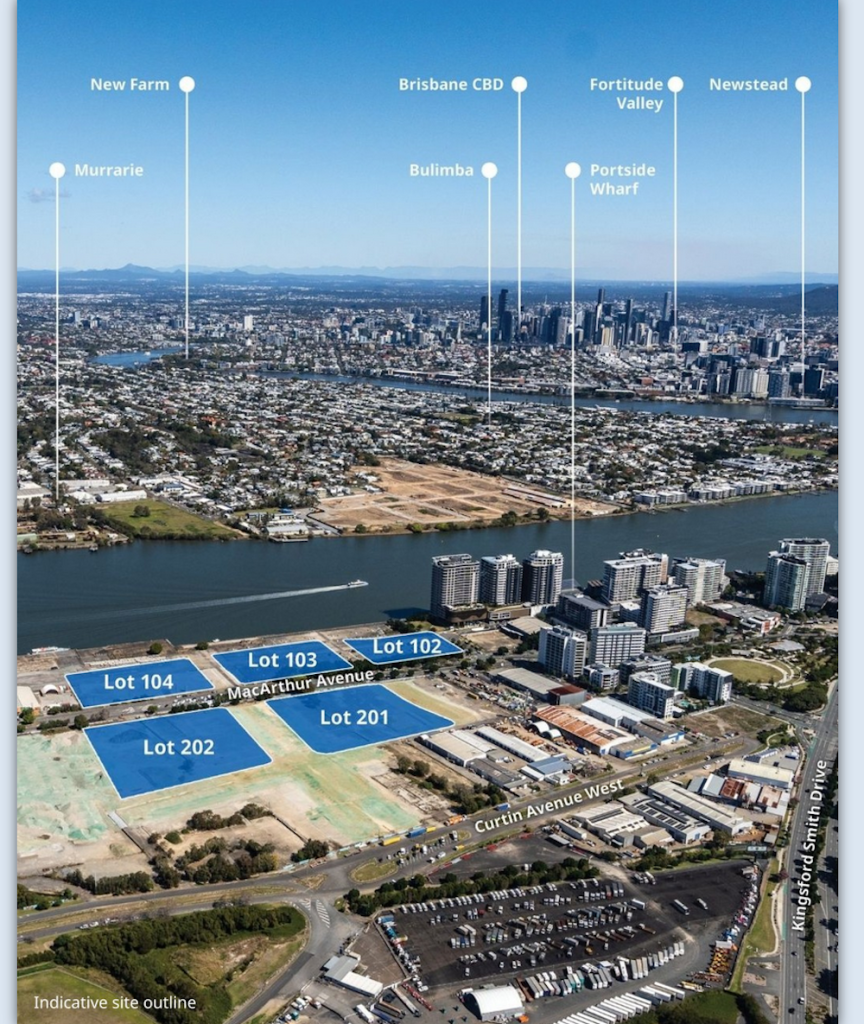
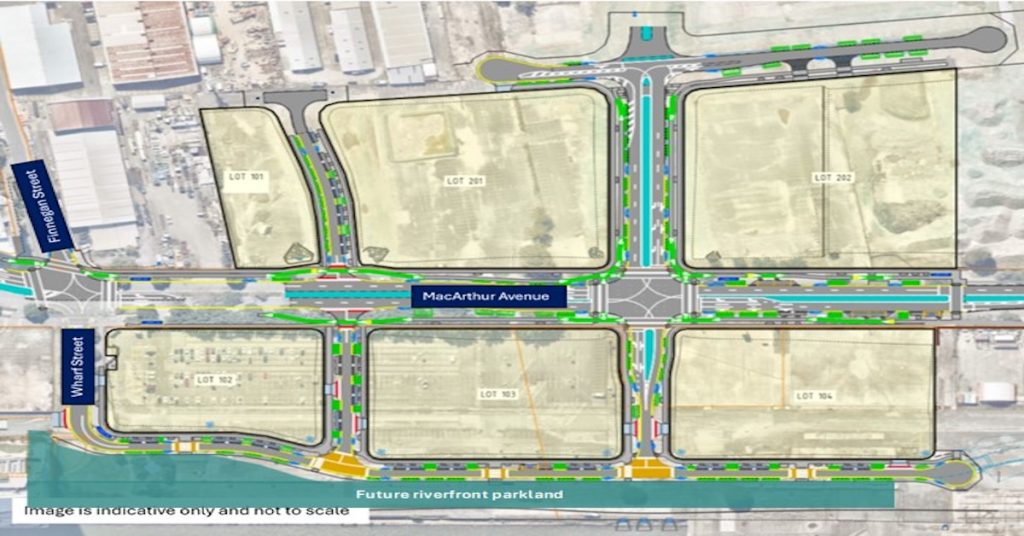
Current works are centred near Portside Wharf and the western section of MacArthur Avenue, where crews are preparing six new development lots for future mixed-use residential projects.

Several enabling works are already underway, including the removal of ageing wharf infrastructure and temporary road connections through Bincote Street to maintain local access during construction.

Part of the Wharf Street temporary park has also been repurposed to support construction activity, although EDQ says the park itself remains open and operational under existing conditions.


Another visible change has been the construction of “The Yard”, a temporary car park positioned near the corner of MacArthur Avenue and Theodore Street to support access during the upgrade works.

The next major stage is expected to begin in mid-2026, when upgrade works between Finnegan Street and Theodore Street commence.

Those works will include raising sections of MacArthur Avenue to improve flood resilience across the precinct — a key issue for a riverside development area expected to house thousands of future residents.

EDQ says temporary traffic changes will also be required once major road works begin, including a diversion along the western end of MacArthur Avenue while local access is maintained for eastern businesses and residents.

The infrastructure program sits alongside broader plans to unlock more housing supply within Northshore Hamilton, where five recently released development parcels are expected to eventually deliver around 3,000 homes.

The precinct itself spans 304 hectares along 2.5 kilometres of Brisbane River frontage and has been earmarked for more than 14,000 homes over the coming decade.

While cranes and apartment towers will likely define the next phase of Northshore Hamilton’s transformation, the current focus remains on the less visible work underneath — roads, services and flood-ready infrastructure designed to support an entirely new riverside community.


Published 7-May-2026
Northshore Hamilton’s Housing Push Moves Into Delivery Phase as Infrastructure Works Gather Pace

The conversation around Northshore Hamilton is no longer just about plans on paper. Across the riverfront precinct, the focus is shifting toward the roads, services and flood-resilient infrastructure needed to support one of Brisbane’s biggest urban renewal projects.


Economic Development Queensland (EDQ) and engineering firms involved in the precinct say the project has now entered a critical transition point, with major groundwork underway ahead of large-scale vertical development.

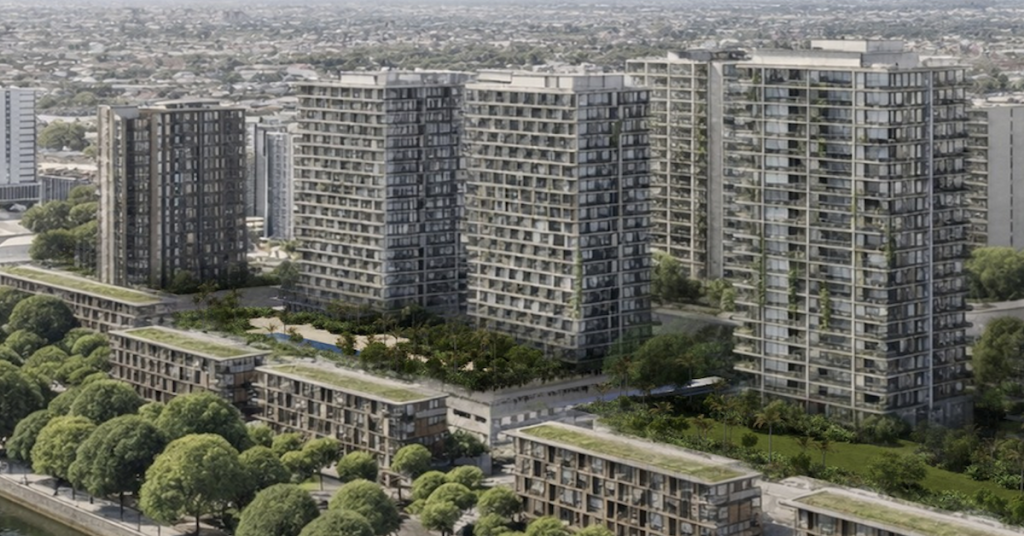
Five riverfront development sites released earlier this year are expected to eventually deliver around 3,000 homes across six hectares along MacArthur Avenue. The sites sit inside the Northshore Hamilton Priority Development Area, a 304-hectare precinct earmarked for long-term mixed-use growth.

Recent updates from EDQ and project partners highlight the scale of infrastructure now being rolled out behind the scenes.

Engineering firm ADG Engineers said its work has focused on climate-resilient roads, streetscapes and digital infrastructure capable of supporting future mixed-use development across the precinct.

The company said the project has involved working through difficult ground conditions, existing trunk services and sustainability targets while preparing the area for future residential growth.

According to project material released by EDQ, Northshore Hamilton stretches 2.5 kilometres along the Brisbane River and is planned to accommodate more than 14,000 homes and around 24,500 residents over the coming decade.

The development sites released to market earlier this year include parcels along MacArthur Avenue, roughly six kilometres from Brisbane’s CBD and eight kilometres from Brisbane Airport.

EDQ has promoted the sites as a rare opportunity for large-scale riverfront development close to Portside Wharf, with panoramic city and river views forming a key part of the pitch to developers.

The precinct’s planning framework has also been reshaped in recent months through amendments to the Northshore Hamilton PDA Development Scheme, which the state says will help accelerate housing delivery and reduce planning delays.

Photo Credit: EDQ

The revised scheme is intended to support faster approvals and coordinated infrastructure delivery across the PDA, with the government arguing the changes could help unlock up to 10,000 homes more quickly.

The housing pipeline forms part of Queensland’s broader push to increase supply ahead of continued population growth and the lead-up to the 2032 Olympic and Paralympic Games.

At ground level, however, much of the visible activity remains focused on preparing the precinct itself.

Works already underway at the western end of Northshore Hamilton are helping create development-ready lots for future residential construction. Preparatory works tied to the MacArthur Avenue upgrade are also progressing, including the removal of ageing wharf structures and temporary road connections to maintain local access during construction.

EDQ says flood resilience remains a major part of the project, with future road upgrades designed to improve how the precinct performs during major weather events.

The broader vision extends well beyond housing alone. Plans for the precinct include retail, hospitality, riverfront parklands and public spaces intended to turn the former industrial waterfront into a high-density riverside community.

Future riverfront parklands tied to the development are expected to follow in 2029.


Published 1-May- 2026

Brisbane Finally Has a Proper Lobster Roll — and It’s Worth the Wait

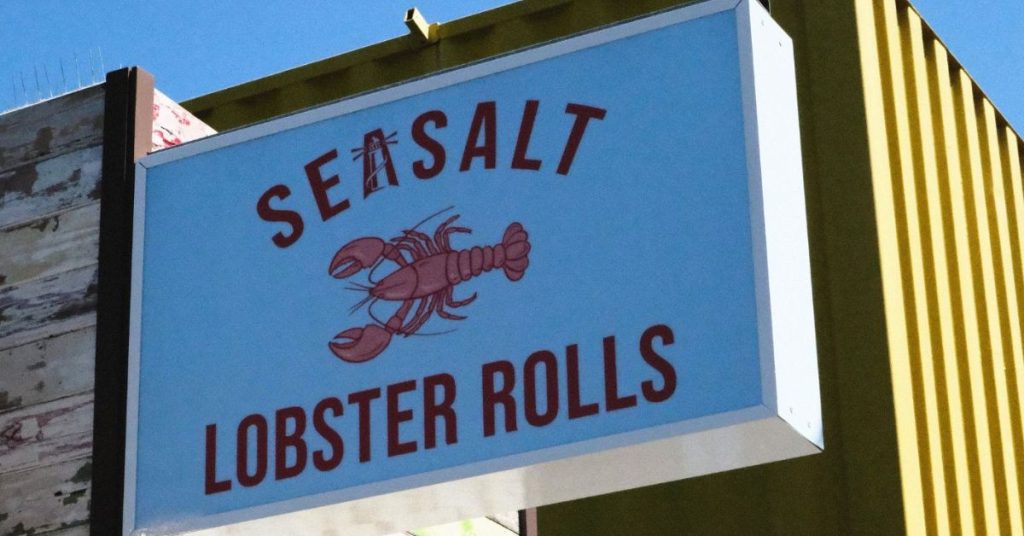
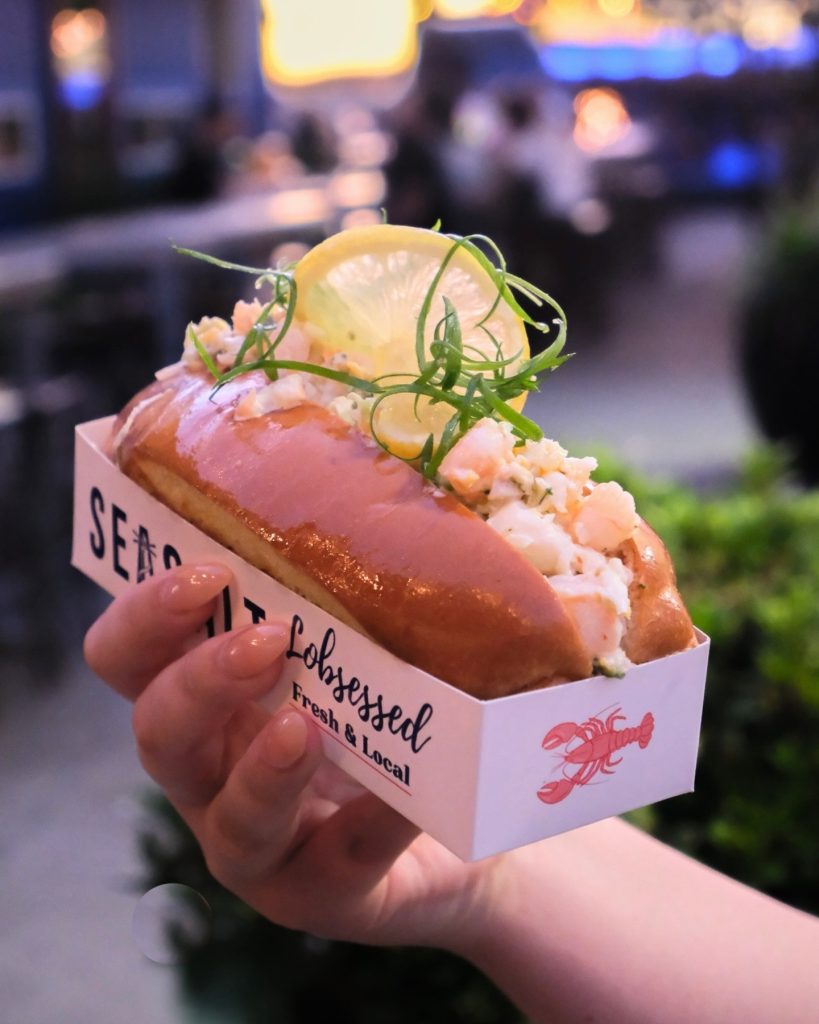
Sea Salt, Brisbane’s first restaurant dedicated entirely to the lobster roll, has opened at Eat Street Northshore, serving a hot, buttered Connecticut-style roll made entirely from Queensland ingredients on Fridays, Saturdays and Sundays.


The timing is right for it. Brisbane has been missing this particular thing: a serious, single-focus lobster roll built with real intent rather than as a menu afterthought. Sea Salt’s founders, local Brisbanites Yuling and Nathan, spent 18 months working out why it did not exist yet. They ate lobster rolls across Brisbane, Australia and internationally.

Most were cold, pre-made or padded with processed seafood extender. The rolls that used real lobster were often barely slider-sized. They came back with a clear idea of what they wanted to build instead.

“When we set out to create a lobster roll for Eat Street, we didn’t want to imitate what already existed,” co-owner Yuling said. “We wanted to do better. Every element, from the lobster to the bread to the butter, was chosen and refined with intention.”

Straight from Queensland Waters to Your Roll 

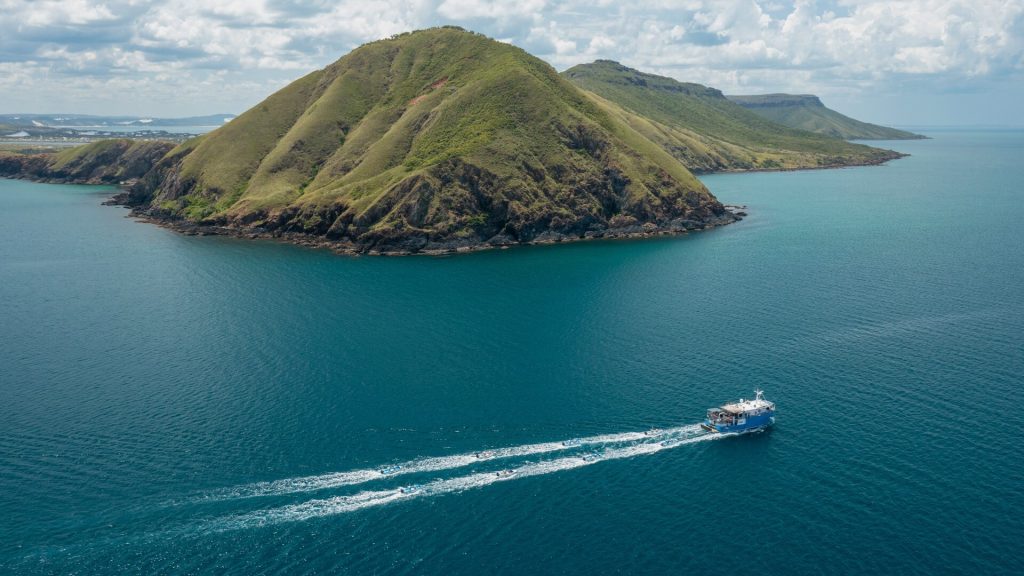
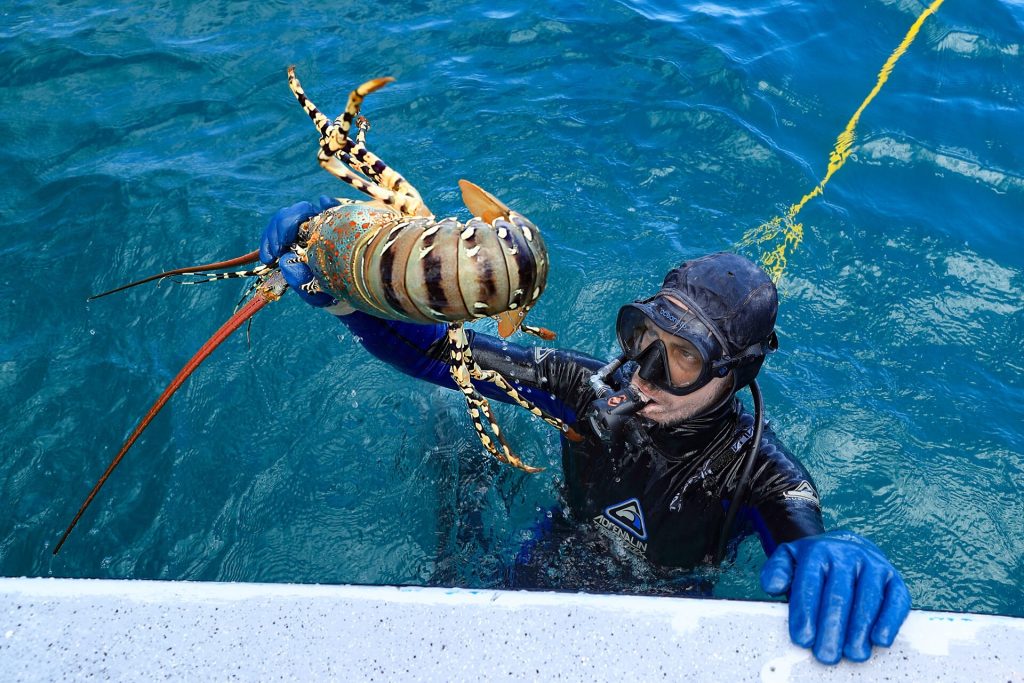
The lobster is Queensland’s tropical rock lobster, hand-caught by divers in the Torres Strait and Far North Queensland. It is the only diver-caught lobster species in Australia and comes from one of the most carefully managed fisheries in the country: no nets, no traps, no bycatch.

Photo Credit: Supplied

Each lobster is air freighted directly to Eat Street, supporting the fishing communities of Cairns and the Torres Strait.

Sea Salt lobster
Photo Credit: Supplied

The roll itself is built around a custom brioche baked by a Brisbane bakery, proportioned specifically for the ratio of bread to filling Sea Salt wanted. The lobster is finished in clarified butter with fresh garlic, paired with Japanese Kewpie mayonnaise and finished with a ribbon of lemon. Everything on the plate is sourced from Queensland.

Photo Credit: Supplied

This focus on provenance puts Sea Salt in the premium tier of Eat Street’s line-up, sitting comfortably alongside heavyweights like Picco’s and The Cheese Wheel. It’s a high-end addition to the precinct, swapping standard street-food fillers for a serious, top-shelf serve. 

The facade of the restaurant carries that local connection too, built from timber sourced from Queensland workers’ cottages, a deliberate nod to the riverside heritage of the precinct around it.

Photo Credit: Supplied

Find It at Eat Street

Sea Salt sits inside Eat Street Northshore at 221D MacArthur Avenue, Hamilton, on a historic wharf built from repurposed shipping containers along the Brisbane River, 15 minutes from the CBD and 12 minutes from Brisbane Airport. If you are coming by water, the Northshore Hamilton CityCat stop is a short 250 metre stroll from the eastern entrance.

It serves from 4pm to 10pm on Fridays and Saturdays and 4pm to 9pm on Sundays. Keep an eye on the clock for special events, with trading hours often extended for major dates including the upcoming Mother’s Day weekend in May (12-8pm). For updates, follow Eat Street on Instagram or visit eatstreetnorthshore.com.au.


Published 30-April-2026

Portside Wharf To Host Mother’s Day Market By The River

Families in Hamilton are being invited to spend a relaxed morning by the river, with Portside Wharf preparing to host a Mother’s Day market that blends local shopping with simple, family-friendly activities.


Portside Wharf Hamilton Brings Local Market To The Riverfront

Portside Wharf in Hamilton will host its Mother’s Day Market on Saturday 2 May, with the riverside precinct set to fill with more than 20 stalls from 9am to 1pm. The event is free to attend and will take place at 39 Hercules Street.

Held in partnership with The Market Folk, the market will showcase a range of locally made goods, giving visitors the chance to pick up something thoughtful for Mother’s Day while supporting small makers. Stalls will feature items such as ceramics, candles, handcrafted jewellery, crochet flowers, and sweet treats, offering a mix of practical and personalised gift options.

Mother’s Day market
Photo Credit: Supplied

A Morning Designed For Families In Hamilton

Beyond shopping, the Portside Wharf Hamilton event is set up as an easy outing for families looking to spend time together. Children’s activities will include a baseball pitching pop-up, along with balloons and free treats, creating a casual and welcoming environment for younger visitors.

Free pilates classes will run throughout the morning at Studio Pilates, with terms and conditions applying, offering something for those wanting to take part in a more active experience. Rosé Gelateria will also introduce a special Mother’s Day rosewater pistachio flavour for the occasion.

Across the precinct, retailers will be taking part with Mother’s Day offers, adding to the overall experience and giving visitors more ways to browse and enjoy the day.

Brisbane event
Photo Credit: Supplied

Giveaway Adds Extra Appeal For Visitors

A Mother’s Day hamper valued at more than $1,000 is also part of the event, giving attendees the opportunity to win a collection of gifts and experiences.

The hamper includes dining vouchers, pilates classes, a family cinema pass, jewellery, candles, and other items, bringing together contributions from Portside Wharf businesses and participating brands. Entries are open through Portside Wharf’s social media.

Portside Wharf Hamilton
Photo Credit: Supplied

A Simple Way To Spend Time By The River

Set along the river, the Portside Wharf Hamilton market offers a straightforward way for locals to combine gift shopping with time outdoors. The format brings together stalls, activities, and small experiences into one morning, making it easy for families to drop in, explore, and enjoy the precinct at their own pace.


With free entry and a mix of things to see and do, the event provides a local option for those looking to mark Mother’s Day without travelling far from Hamilton.

Published 30-Apr-2026

Hamilton Hill Mansion Hits the Market as Pub Baron Eyes Northside Expansion

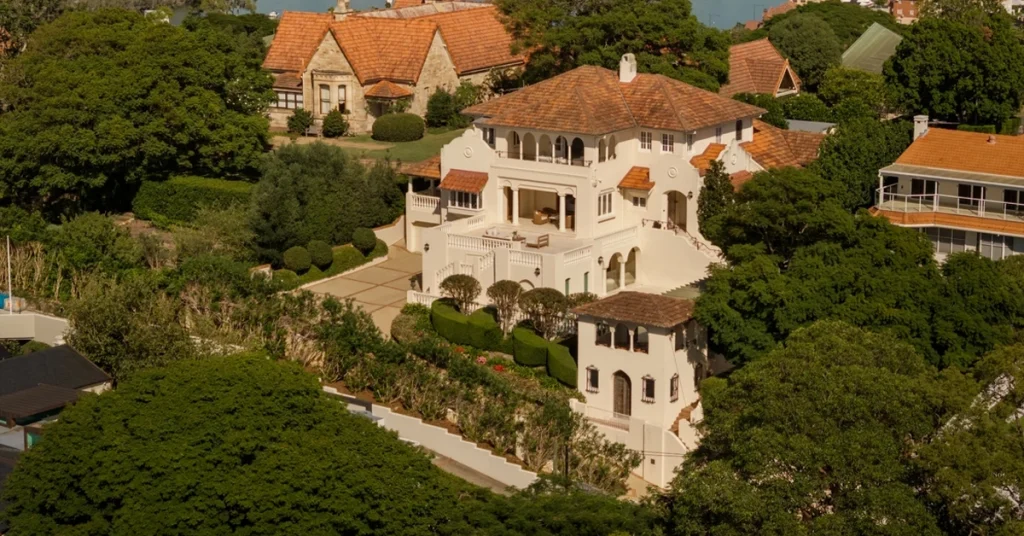
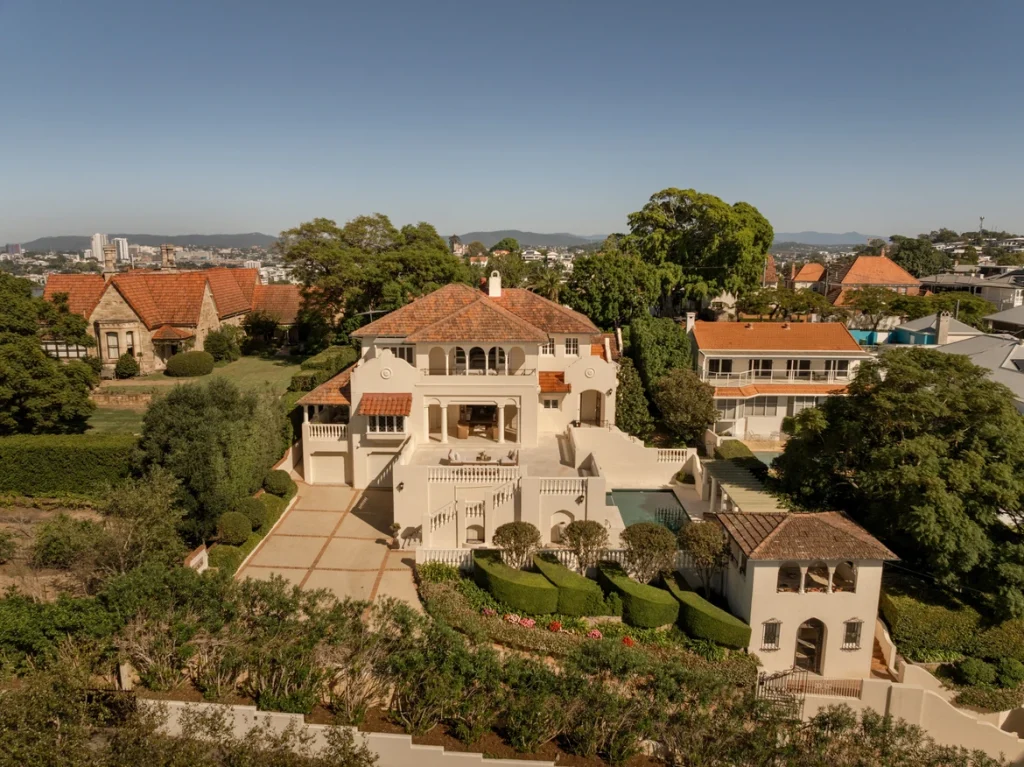
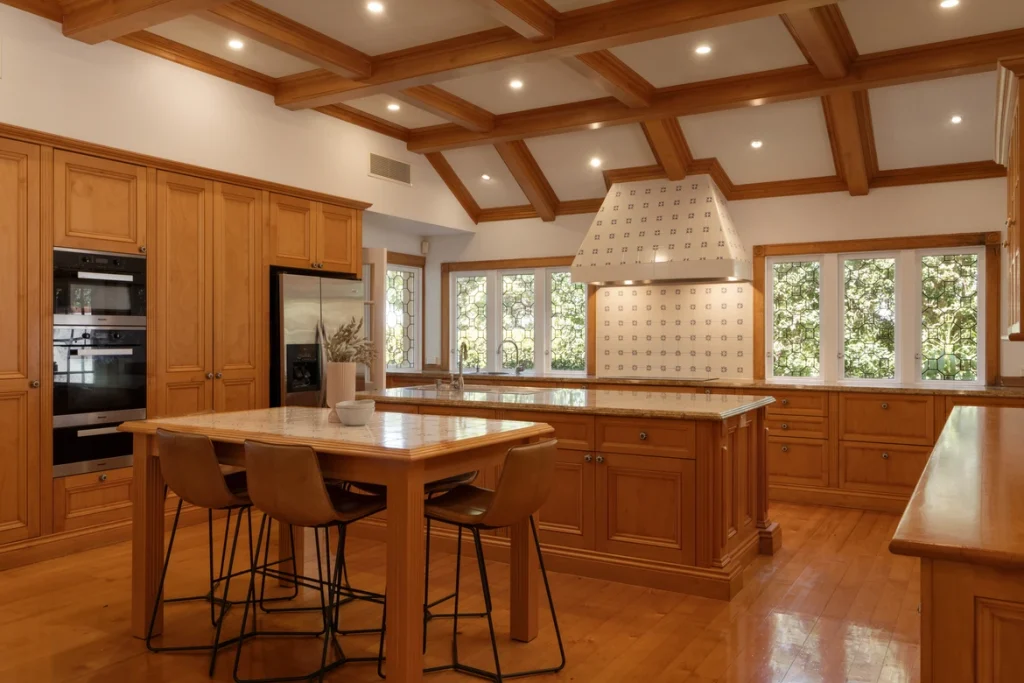
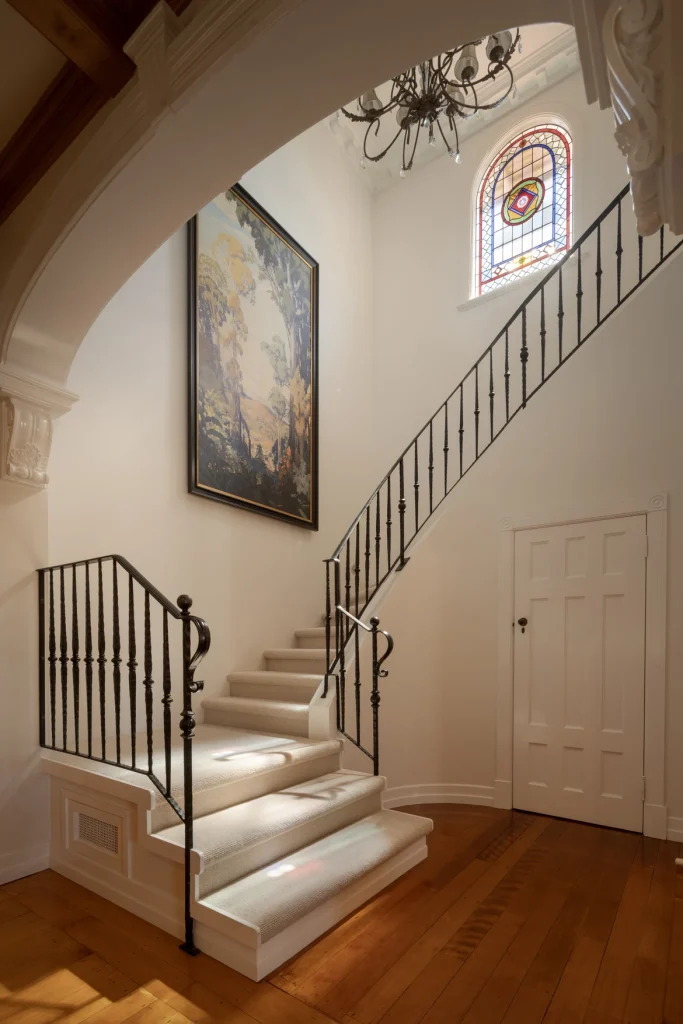
A landmark Hamilton Hill mansion linked to one of Brisbane’s best-known hospitality families is up for sale, with Norman Hotel owner James Power and his wife Jennifer choosing to downsize after more than a decade in the home.


Photo Credit: Ray White New Farm

The Spanish Mission-style estate at 33 Markwell Street has been a well-used family base for the Powers since they purchased it in 2013 for $5.05 million — two years before the couple acquired the iconic Norman Hotel in Wooloongabba for around $7 million. With their three children now grown, the couple say the time feels right to pass the home on to another family.

Photo Credit: Ray White New Farm

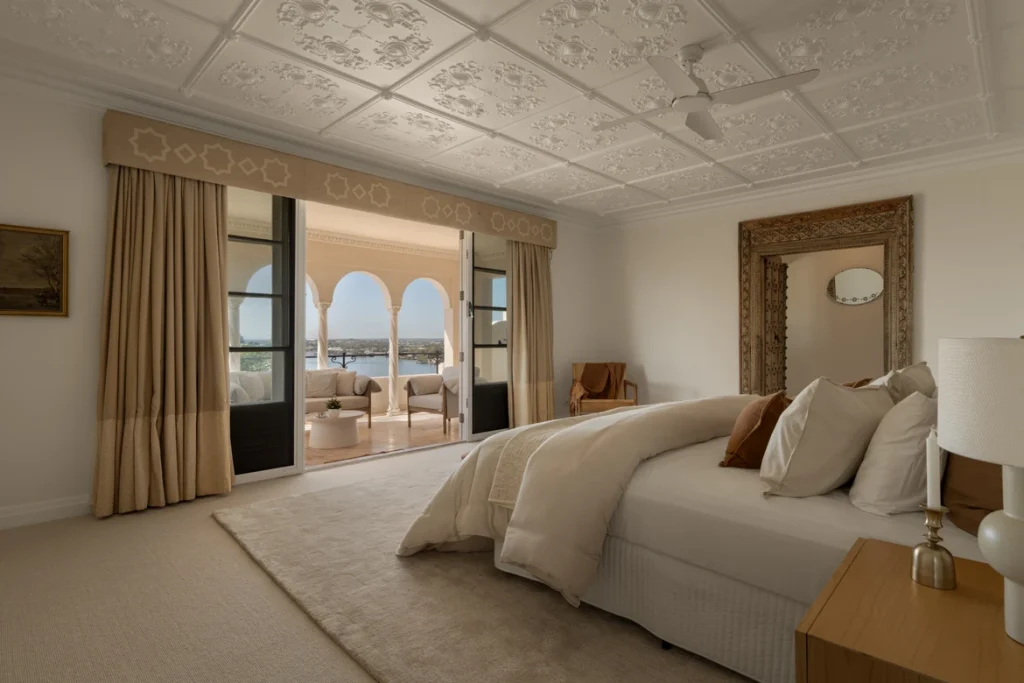
Built in the 1930s, the residence sits on a 1,376 square metre block commanding views across the Brisbane River, the Gateway Bridge, the Port of Brisbane, and out to Moreton Bay. Its east-facing aspect means the home catches the morning sun while staying sheltered from the heat of the afternoon — a quality that made it well suited to the generous entertaining the Powers became known for there.

Photo Credit: Ray White New Farm

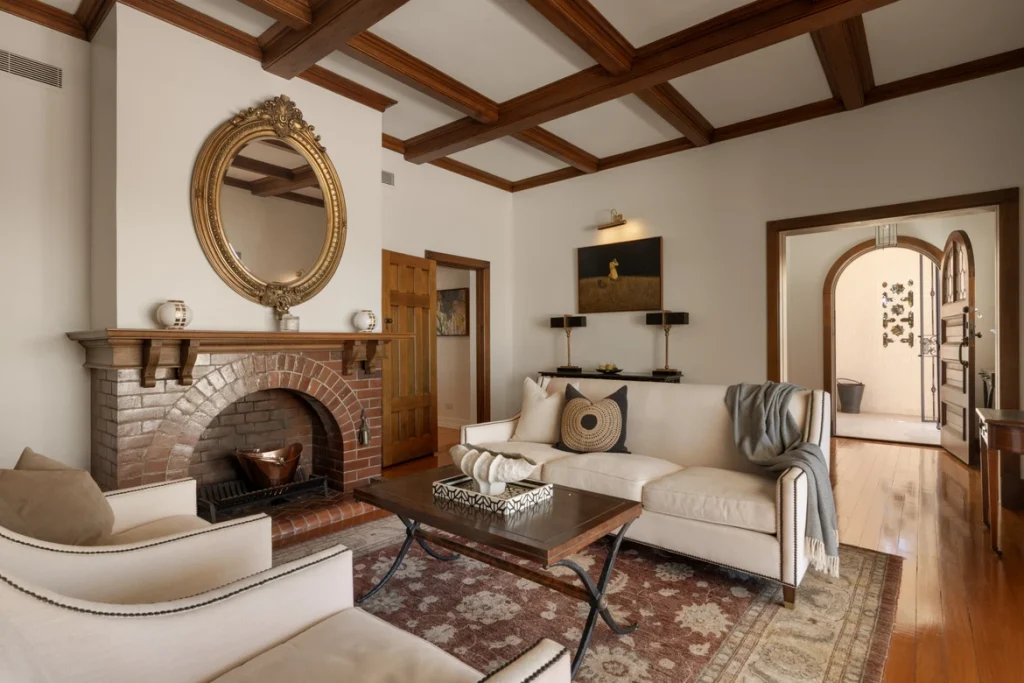
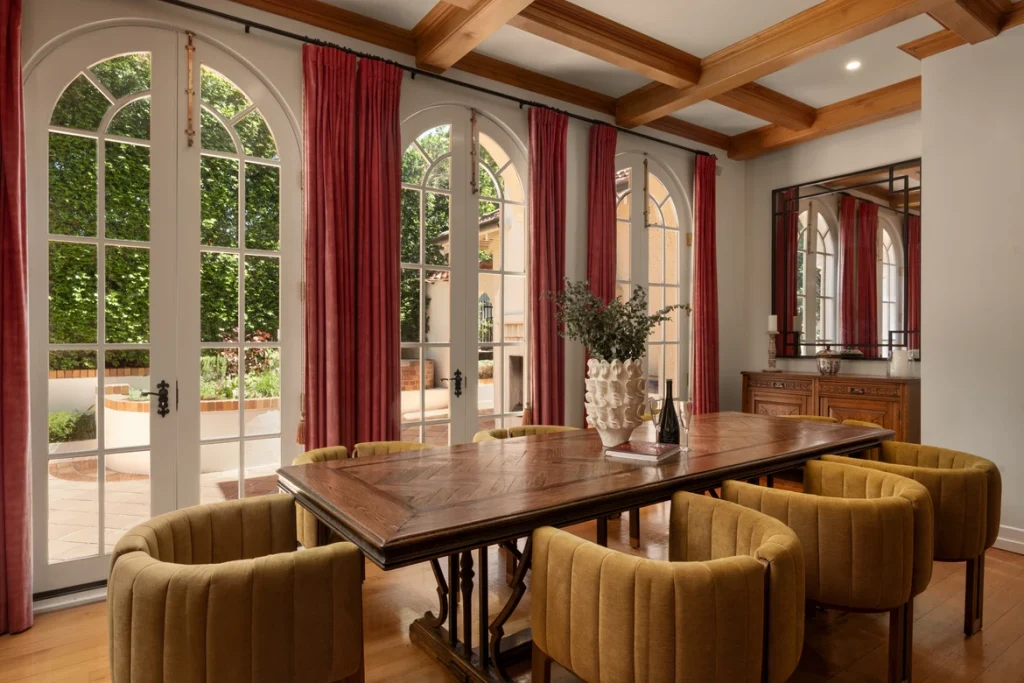
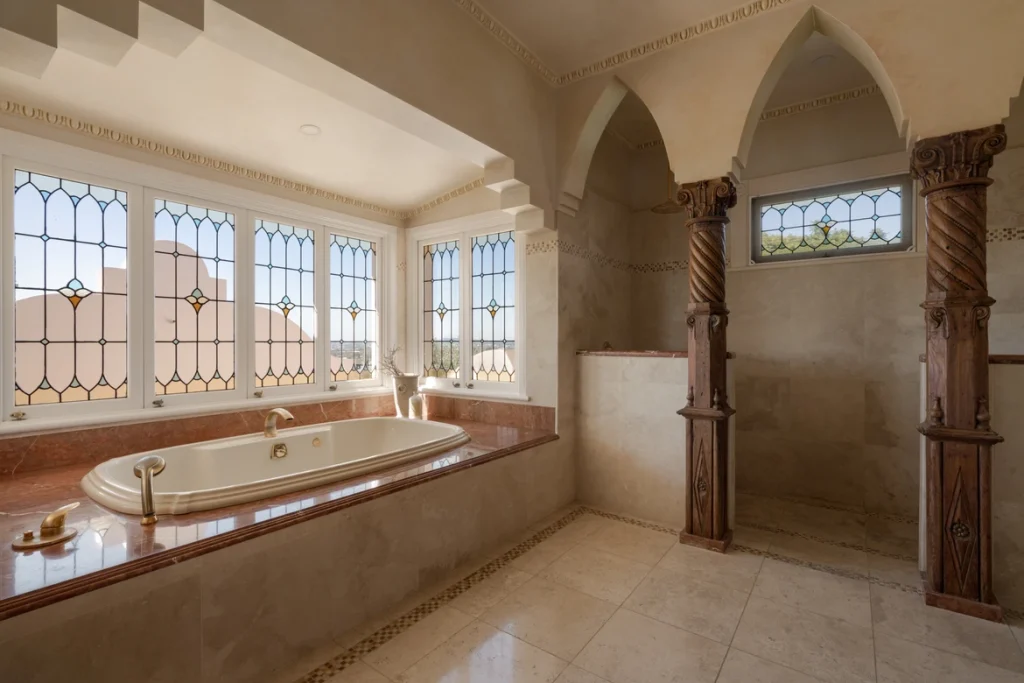
The property is well appointed for that kind of use, featuring six bedrooms, four bathrooms, three powder rooms, a study, six-car garaging, a wine cellar, steam room, gym, resort-style pool, and both indoor and outdoor fireplaces. A dumbwaiter connects the levels, and Mediterranean-inspired gardens planted with citrus trees, herbs, chillies and limes speak to the family’s appreciation for food and hospitality.

Photo Credit: Ray White New Farm

A significant renovation by a previous owner between 1999 and 2000 added a top-level entertaining area and gym, while the Powers have since made their own mark on the property — including retiling the pool surrounds in travertine.

Photo Credit: Ray White New Farm

The sale comes as Power prepares to open The Norman Northside in Enoggera, a second venue under the Norman Hotel brand — long tongue-in-cheek billed as Brisbane’s worst vegetarian restaurant.

Photo Credit: Ray White New Farm

The property is being taken to market through an expressions of interest campaign with Ray White Collective Luxury principal Matt Lancashire. No price guide has been set, though comparable sales in the area suggest the home could fetch more than $10 million. Lancashire recently launched Ray White Collective Luxury as a Brisbane agency focused solely on properties valued above $4 million, pointing to growing demand at the top end of the market.

Photo Credit: Ray White New Farm


“Hamilton is a top choice for affluent buyers,” Lancashire told The Courier-Mail, citing the suburb’s elevated position, river views, and concentration of prestige homes.

Published 16-April-2026

Hamilton’s Collins Foods Exits Taco Bell to Double Down on KFC in Europe

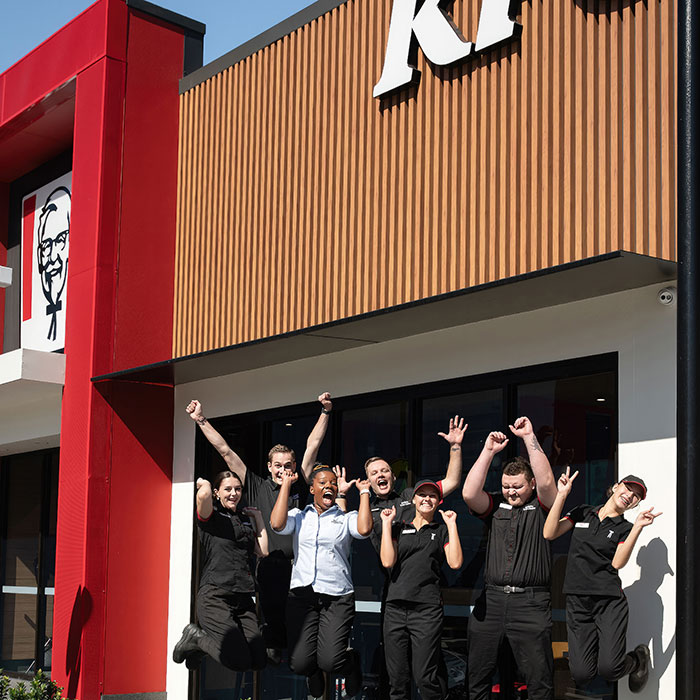
Collins Foods Limited, the Brisbane-based restaurant operator headquartered on Kingsford Smith Drive in Hamilton, has announced the sale of 20 of its 27 Taco Bell restaurants as it sharpens its focus on growing its KFC business in Europe.


The ASX-listed company entered into a legally binding arrangement with YUM! Brands, the global owner of the Taco Bell brand, and Restaurant Brands Australia to transfer the 20 restaurants to new ownership. The remaining seven Taco Bell locations will close, with Collins Foods absorbing a $1.2 million hit to its bottom line as a result.

Managing director and CEO Xavier Simonet described the move as an opportunity to focus on the company’s core KFC business, with particular attention to accelerating profitable development in Germany.

A Queensland Company with More Than Five Decades of History

Collins Foods’ roots in Queensland stretch back to 1968, when it first obtained the KFC franchise for the state. The company opened its first restaurant in Kedron the following year and introduced the drive-through format to Australia in 1979, a concept now standard across the country.

Collins Food Limited logo
Photo Credit: Wikipedia

The company’s headquarters moved to Brisbane in 2005 following a private equity acquisition, and it has been listed on the Australian Securities Exchange since 2011. Its corporate offices now sit at Level 3, KSD1, 485 Kingsford Smith Drive in Hamilton, placing it among the inner-city businesses that call Brisbane’s riverside precinct home.

The Taco Bell chapter began in 2018, when Collins Foods acquired the franchise rights for Australia. At its peak, the company operated 27 locations across Queensland, Victoria and Western Australia. The exit marks the end of that chapter, with the business returning to the brand’s global owner and its local partner.

Focusing on What Works for Collins Foods

For a company of Collins Foods’ size, concentrating resources on its strongest performer is a considered move. In 2025, Collins Foods reported annual revenue of $1.5 billion, up 2.1 per cent from the previous year, with net operating cash flow rising $5.1 million to $181.4 million.

The European expansion is gathering pace. Earlier in March, Collins Foods acquired eight KFC restaurants in Germany for $50 million, and also extended its corporate franchise agreement with YUM! Brands covering the Netherlands. The company’s growth strategy targets the addition of 40 to 70 new KFC restaurants in Germany over the next five years.

Photo Credit: Collins Food Limited

With 288 KFC restaurants across Australia and a growing European footprint spanning Germany and the Netherlands, the Taco Bell sale clears the runway for a more focused international push.

How the Sale Affects Staff and Store Operations

YUM! Brands and Restaurant Brands Australia will take over the 20 restaurants and continue operating them under the same ownership arrangement, with employees transferring to the new owners as part of the transaction. The deal uses a stock-based purchase structure, with the incoming owners also assuming the lease liabilities for all 20 sites.

The seven locations earmarked for closure represent the smaller, harder-to-transition portion of the portfolio. Collins Foods has not specified which sites will shut, though further detail is expected as the transaction moves toward completion.

Shares in Collins Foods fell 2.62 per cent in morning trade on the day of the announcement.

Keeping Across the Story

Collins Foods is an ASX-listed company trading under the code CKF. Updates on the Taco Bell transition and the company’s European expansion plans are available at collinsfoods.com. Media and investor enquiries can be directed through the company’s Hamilton headquarters at 485 Kingsford Smith Drive, Hamilton QLD 4007.


Published 01-April-2026

Biotech Company Vaxxas Joins Global Consortium to Prepare Europe for Pandemic Influenza

Hamilton-based clinical-stage biotech company Vaxxas has won a phase one tender from the European Health and Digital Executive Agency to advance its needle-free vaccine patch technology as part of the EU-backed global pandemic influenza preparedness programme.


The tender was awarded on behalf of the Health Emergency Preparedness and Response Authority under the EU 2024 EU4Health Work Programme, which allocates up to $250 million across three competitive sequential phases. The phase one allocation of approximately $22 million will fund a clinical study combining Vaxxas’ high-density microarray patch technology with South Korean company SK bioscience’s seasonal influenza vaccine. The Consortium also includes European-based IDT Biologika, a contract developer and manufacturer of vaccines, gene and immune therapeutics with more than 100 years of operating history. IDT Biologika led the Consortium submission.

What the HD-MAP Technology Does

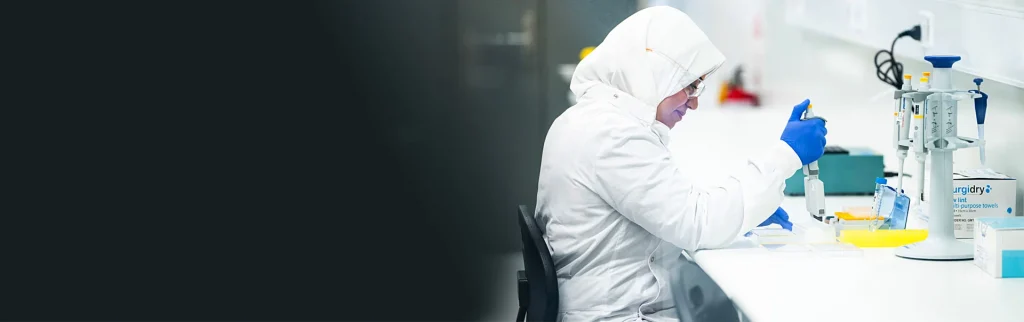
Vaxxas’ HD-MAP is a small patch containing thousands of microprojections approximately 0.25 millimetres in length, fabricated by injection moulding. The patch delivers vaccine to the high-density populations of immune cells directly beneath the surface of the skin, with the microprojections triggering immune responses that rapidly traffic vaccine components to lymph nodes. The coated patch sits inside a single-use applicator and administers the vaccine in a matter of seconds.

The technology carries several practical advantages over traditional needle-and-syringe delivery. The dried form of the vaccine is more stable at higher temperatures than vaccines in liquid formulations, and HD-MAPs have proven safe and tolerable in hundreds of trial participants, inducing equal or greater immune responses to injected vaccines at lower doses. The platform also has the potential to eliminate end-to-end refrigeration requirements, reducing the cold-chain logistics burden that slows vaccination rates in both routine and emergency settings. The core technology was originally developed at the University of Queensland, and Vaxxas was established to commercialise it.

Vaxxas
Photo Credit: Vaxxas

What Phase One Will Deliver

The phase one programme has two parallel workstreams. The first is a clinical study advancing Vaxxas’ HD-MAP technology in conjunction with SK bioscience’s seasonal influenza vaccine. The second is a pre-clinical development programme producing a clinic-ready HD-MAP for a pre-pandemic influenza vaccine.

All clinical products for phase one will be manufactured using Vaxxas’ proprietary sterile automated manufacturing lines at its Hamilton biomedical facility. Vaxxas is simultaneously completing a separate and largest-to-date phase one clinical study of its HD-MAP with a pre-pandemic influenza vaccine, supported by the US Government’s Biomedical Advanced Research and Development Authority.

The Consortium Partners

IDT Biologika, which led the Consortium submission, brings more than a century of vaccine development and manufacturing experience to the programme. SK bioscience, a South Korean vaccine company with a longstanding collaboration with Vaxxas, will supply vaccine antigens for both the seasonal and pandemic influenza studies across the programme.

Vaxxas chief executive David Peacock said the tender reflected a shared ambition across the Consortium and the European Union to invest in alternative vaccine technologies, and that the recognition of HD-MAP by governments worldwide confirmed its role as a component of future public health preparedness.

What Comes Next

If the Consortium successfully completes phase one, it becomes eligible to tender for subsequent phases covering late-stage clinical trials, application for marketing authorisation in Europe, and the establishment of a sovereign EU manufacturing capability.

Further information about Vaxxas and its HD-MAP technology is available at vaxxas.com. The company’s Hamilton biomedical facility is located at 240 MacArthur Avenue, Hamilton QLD 4007, within the Northshore Hamilton river precinct.


Published 3-March-2026.

Hamilton Development to Connect Suburban Streets with Northshore Precinct

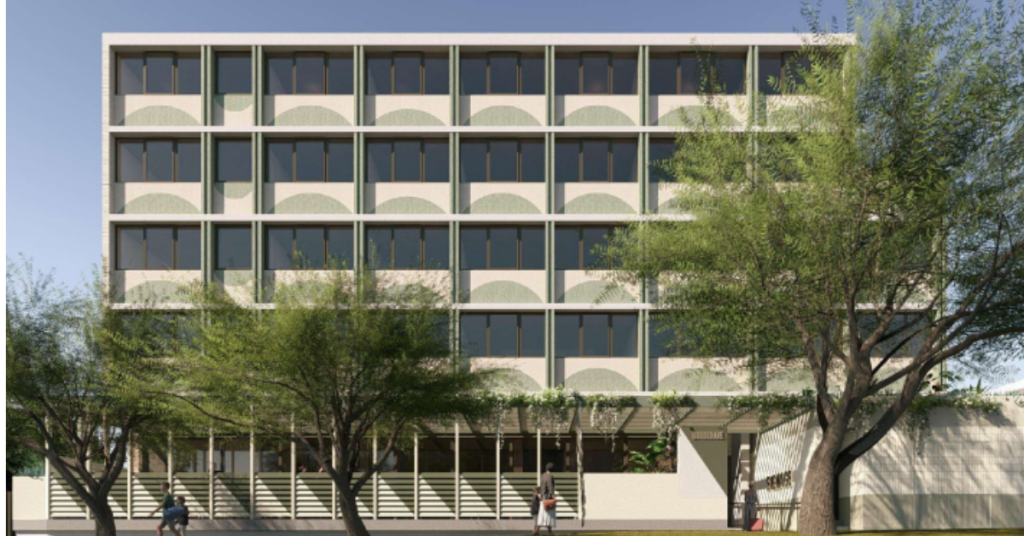
Private developers Ashan Chaminda Sudrikku and Ganendren Somasegaram have lodged a proposal to transform a prominent Hamilton corner into a five-storey residential and short-term stay precinct.


A Shifting Streetscape

Photo Credit: DA A006952826

The development application, submitted in January 2026, outlines a plan to merge six separate lots between 642 and 652 Kingsford Smith Drive. This move would require the removal of three existing houses to make way for a modern, staged project. 

The first part of the build focuses on a 57-room building designed for short-term visitors, while the second stage introduces 24 permanent apartments. The planners at HAL Architects suggest the project acts as a bridge between the high-rise buildings of Northshore Hamilton and the quieter suburban streets further north.

Focus on Local Living

Photo Credit: DA A006952826

The design prioritises a quiet neighbourhood feel by keeping all car movements away from the main road. Instead of using Kingsford Smith Drive, the 96 planned parking spaces will be accessed only via Oxford Street. While there are no shops or cafes included in the plans, the site is positioned so residents can easily walk to the CityCat ferry, local parks, and the Racecourse Road shopping strip. 

To keep the area looking green, the developers have committed to deep planting and landscaping that covers nearly a quarter of the total land area, which is more than what the local council usually requires.

Practical Features and Environment

Photo Credit: DA A006952826

Living in the new buildings will involve some hands-on habits, as the plans do not include automated rubbish chutes. This means apartment residents will need to carry their waste to a shared bin room themselves. The height of the structures is set at roughly 17.5 metres to match the medium-density rules of the Brisbane City Plan. 

Because the land is near the river, the engineers have designed the habitable floors and the basement entries to sit safely above known flood levels. Even though the buildings will not feature solar panels on the roof, the design uses passive methods to help manage energy use naturally.


The Road Ahead

Because the project fits within the current zoning for the area, it is classified as code assessable. This means the Brisbane City Council can review and approve the plans without asking the general public for formal feedback or objections. 

The developers believe the location is perfect for short-term stays due to how close it is to the Brisbane Airport and the city centre. With three lifts shared across the two buildings, the site aims to provide a functional addition to the growing Hamilton community.

Published Date 23-February-2026

Big Plans, Bigger Questions: Hamilton’s Racecourse Road Tower Proposal Sparks Debate

Plans for a landmark mixed-use development on Hamilton’s Racecourse Road have been revised, with the project’s developer seeking to significantly expand the building’s scale beyond what was originally approved. 


The proposal has drawn objections from locals and small business owners, and prompted concern from Brisbane’s local officials, reigniting questions about the future character of the Racecourse Road retail precinct.

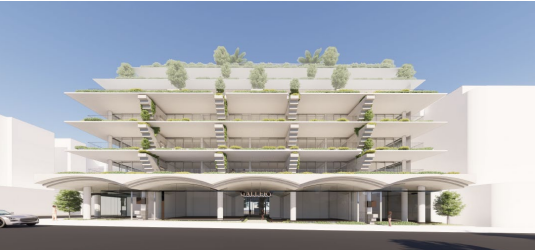
The revised proposal belongs to Graya, one of Brisbane’s most prominent luxury builders, who had previously received approval for a four-level, 37-apartment development at 63-71 Racecourse Road. Known as The Gallery by Graya and designed by architects bureau proberts, the original project featured a subtropical aesthetic and a ground-floor retail arcade threading through the block from Racecourse Road to Kent Street, a design that also included a rooftop pool, yoga lawn, outdoor gym and BBQ terrace.

The Revised Plans

Photo credit: Brisbane PD Online- A006915450

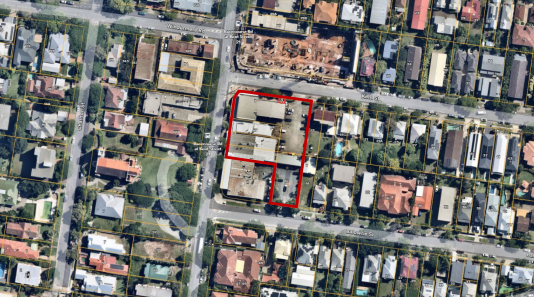
Graya has since lodged a “minor change” application to expand The Gallery to seven storeys and 53 apartments, an increase of three levels and 16 dwellings over the approved design. According to town planners Mewing, who prepared the development application, the changes stem from detailed design work, constructability challenges and shifting market conditions, with Graya arguing the project needs the additional height to remain financially viable in a tough construction climate.

The revised design adds approximately 5.55 metres to the building’s overall height, though Graya notes the upper levels have been progressively set back with each storey to ease the transition toward the lower density residential streets to the east. The updated proposal also includes a basement wellness centre, expanded ground floor retail tenancies, and a new area of public open space at the corner of Racecourse Road and Kent Street, complete with a feature tree and space for public gathering. A second rooftop recreation area has also been added for the Balowrie Street facing portion of the building.

Graya has pointed to recent nearby approvals of up to five storeys as context for the revised scale and maintains the development would represent a positive contribution to Racecourse Road’s ongoing revitalisation, adding housing supply and ground level activation to the precinct.

What Locals Are Saying

Racecourse Road
Photo credit: Brisbane PD Online- A006915450

The revised plans drew a significant community response. Submissions lodged with Brisbane’s local officials raised objections, and discussion on the local community Facebook page has been equally animated.

Several submissions flagged the potential for the building to visually dominate the nearby heritage listed St Augustine’s Church, while others pointed to existing traffic congestion on Racecourse Road as a serious infrastructure concern, noting the street’s constrained access to Kingsford Smith Drive already causes significant delays during peak hours.

Some residents argued more broadly that financial feasibility should not be used to override planning controls, with one submission warning that approving a seven storey building in this location could undermine community confidence in the city’s planning framework altogether.

Racecourse Road
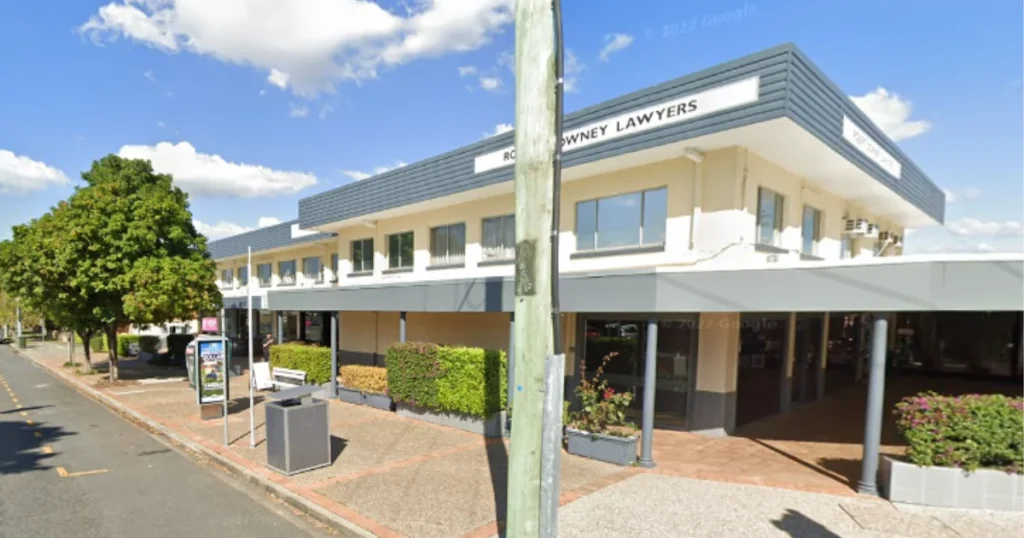
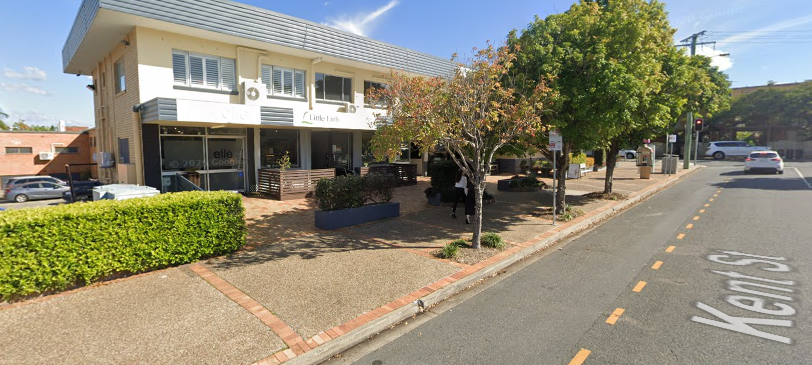
View of site from Kent Street (Photo credit: Google Street View)

Small business owners on the strip have also voiced concern. One tenant who has operated from 71 Racecourse Road for nearly two decades fears the development could drive up rents and price out small businesses that have served the community for a long time.

But not all voices have been opposed. Some residents have embraced the idea of new energy returning to a strip they feel has stagnated, with at least one submission welcoming a thoughtful development as a sensible step forward, regardless of whether it ends up at four or seven levels. Others have called for rundown properties on the strip to make way for renewed investment and activity.


Where Things Stand

Brisbane’s local officials have indicated they do not support the revised height, advising Graya that the seven storey proposal is inconsistent with the intended outcomes of the Racecourse Precinct Neighbourhood Plan. While they acknowledged the stepped setbacks of the upper levels, they determined those measures were not sufficient to justify the additional height. They also noted that construction market pressures, while understood, do not constitute valid planning grounds for exceeding the neighbourhood plan’s provisions. The application (A006915450) remains under assessment through BCC’s planning portal.

Published 18-February-2026

Brisbane Airport Fires up Record Community Giving Fund for 2026

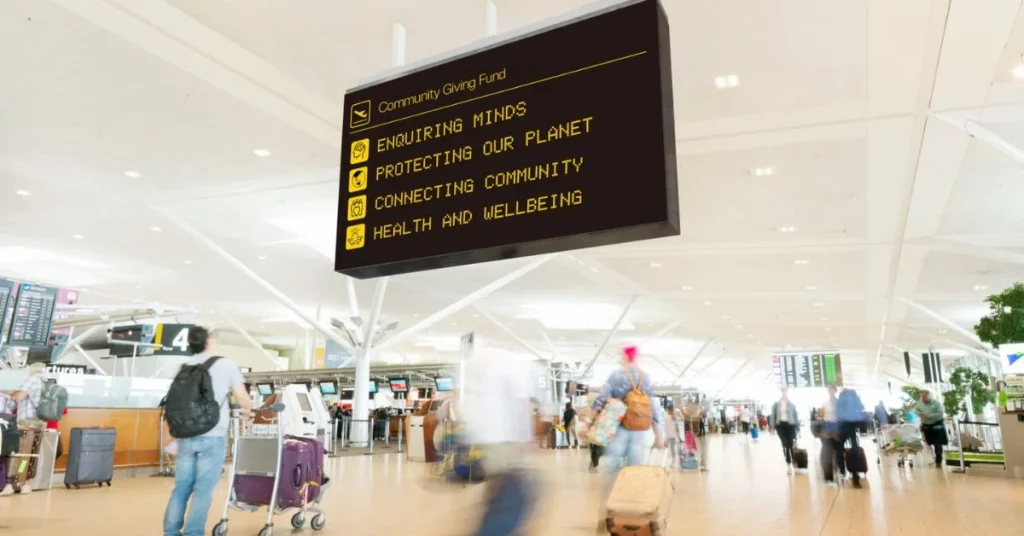
Brisbane Airport has launched its largest-ever Community Giving Fund, offering a record $125,000 in grants to organisations dedicated to education, the environment and health across South East Queensland.


The expanded fund marks a significant boost from previous years, with applications now open for community groups, schools and non-profit organisations. While the program traditionally focused on airport neighbours in Hamilton, Pinkenba, Eagle Farm and Hendra, the 2026 round extends eligibility across the Greater Brisbane region, including Logan, Moreton Bay, Ipswich and Redland areas.

Driving Local Impact and Sustainability

The Community Giving Fund prioritises initiatives that deliver lasting benefits to people living and working across South East Queensland. The program targets projects tackling local needs through environmental programs, educational opportunities and health initiatives that create measurable change beyond one-off events.

Eligible projects range from school vegetable gardens and outdoor learning spaces to community health services and upgrades for local sports infrastructure. The fund aims to strengthen connections between the airport and the broader community by backing priorities that matter most to residents, whether they live next door to the runways or across the wider metropolitan area.

What Makes a Strong Application

Brisbane Airport assesses every proposal based on alignment with core priorities, long-term sustainability and ability to achieve real, measurable outcomes. Projects demonstrating clear community benefit and ongoing impact beyond the initial funding period stand the strongest chance of success.

The fund welcomes applications from registered charities with Deductible Gift Recipient (DGR) Item 1 status, schools and non-profit groups able to demonstrate effective project delivery. Successful applicants need to show how their initiative addresses genuine community needs and creates benefits that extend well beyond the grant period.

Application Process and Timeline

Community groups ready to apply can access application forms directly through the Brisbane Airport website. The process requires organisations to outline project goals, expected outcomes, a budget breakdown, and success measures.

Applications close on 28 February. Successful applicants will be notified following the assessment period, with grants supporting project delivery throughout 2026. This fund reflects Brisbane Airport’s commitment to supporting the regions it serves beyond core aviation operations.


Published 9-February-2026.