




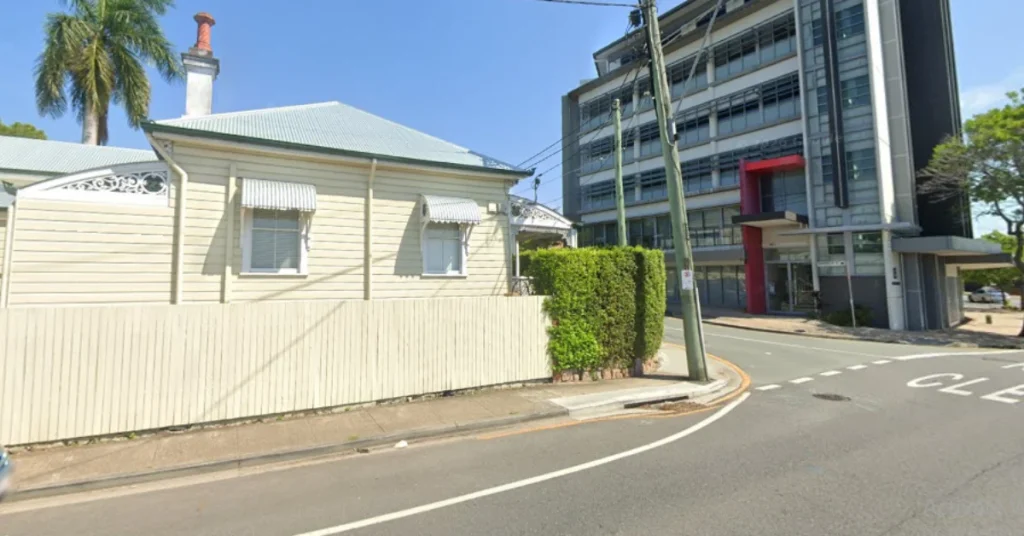
Dunaverty, in nearby Albion, is a heritage-listed house dating from Brisbane’s late-1880s boom period. Located on the corner of Birkbeck and Hudson roads, the picturesque timber cottage retains much of the character that led to its heritage listing.
Read: New 11-Storey Twin Towers Proposed on Dover Street, Albion
Built in 1887, Dunaverty is notable for its architectural detailing and historical associations. The house is closely associated with its builder, Scottish migrant and real estate entrepreneur Archibald McNish Fraser, and his family.
A showpiece for a rising entrepreneur
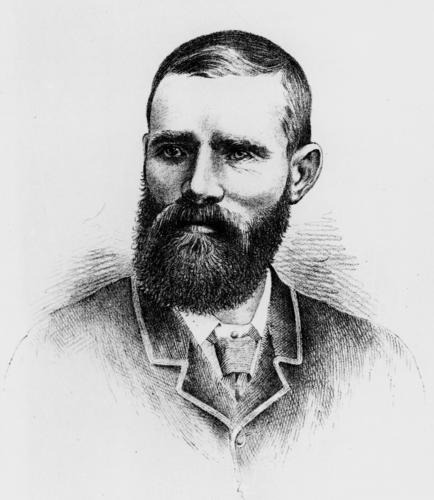
Dunaverty was built by Archibald McNish Fraser, a Scottish migrant who arrived in Brisbane in 1880 at the age of 22 after completing his building apprenticeship.
After establishing himself as a building contractor in Brisbane and Cleveland, Fraser expanded into real estate. In 1885, he purchased the Albion site from his father-in-law, John Barclay, and by 1887 had launched his own business, the Onward Real Property Mart.
His success coincided with a period of strong growth in Brisbane. In 1888, the Aldine History of Queensland recognised Fraser as one of a group of young entrepreneurs who had prospered in the city. Around the same time, his company was regarded as one of Brisbane’s most successful real estate businesses.
Heritage records suggest the house may have been built to showcase Fraser’s business. The residence occupied a prominent corner position and featured decorative details that reflected both the builder’s craftsmanship and personal identity.
Scottish heritage carved into the home
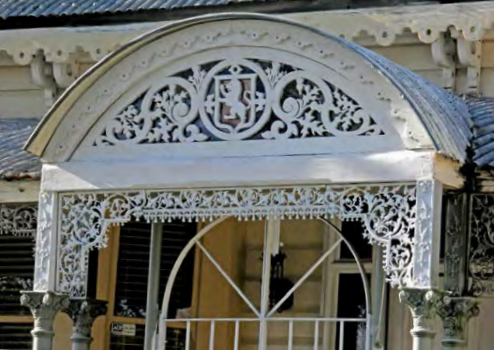
A notable feature of Dunaverty is the incorporation of Scottish motifs throughout the design. The chamferboard cottage, with its hipped corrugated iron roof and decorative verandahs, includes Scottish thistle motifs in its timberwork, cast iron lacework, window and entry brackets, and even elements of the stonework. Inside the house, thistle motifs appear in ceiling roses and fanlights above the doors.
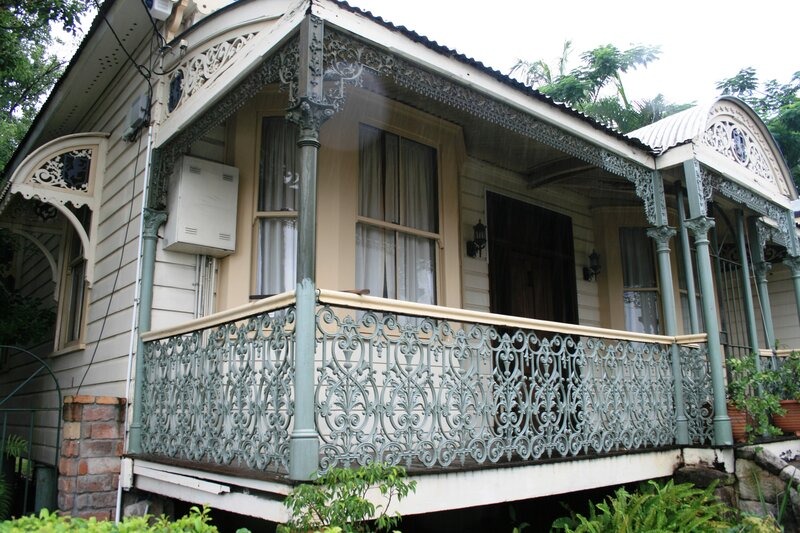
Personalised details can also be found above the home’s front doors. The decorative fanlights incorporate the names and nicknames of Fraser’s wife, Jemima, and three of their children: Nellie, Charlie, Mima and Katie. According to heritage records, these referred to Ellen, Charles, Jemima and Christina Fraser.
These decorative elements provide insight into the family’s Scottish heritage and the personal significance Fraser attached to the home.
Part of the Albion Heritage Trail
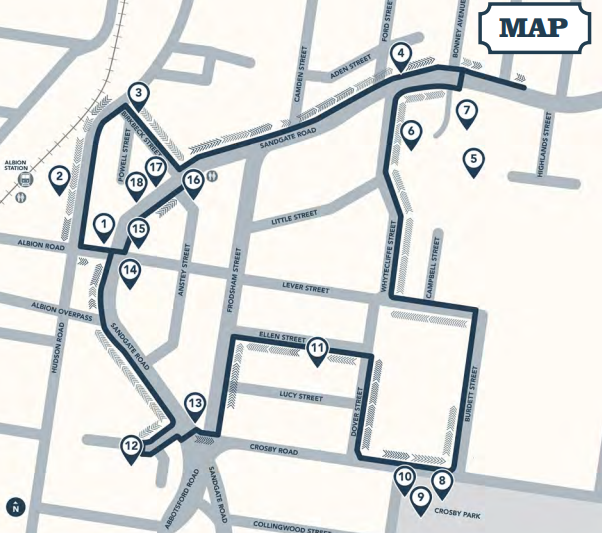
Today, Dunaverty is included on Brisbane’s Albion Heritage Trail, which highlights sites associated with the suburb’s history.
Its prominent corner location and rich decorative detailing distinguish it from many of the modest cottages along Birkbeck Street. Heritage records describe the house as making a picturesque contribution to the streetscape.
For visitors exploring the heritage trail, the home offers an opportunity to see one of Albion’s surviving nineteenth-century residences and learn more about the suburb’s development during Brisbane’s expansion in the late 1800s.
A survivor through changing times
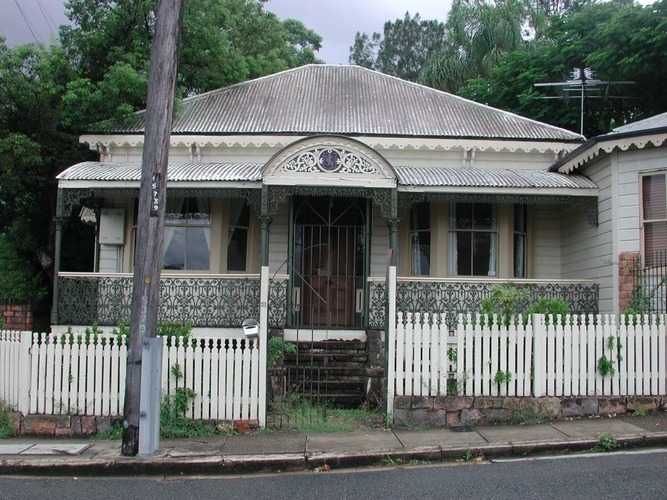
The Fraser family’s time living at Dunaverty was relatively brief. During the economic downturn of the early 1890s, the family moved to West End, closer to Fraser’s property developments. Although they retained ownership until 1912, the house was occupied by a succession of tenants for much of that period.
In 1912, the property was purchased by William McGregor and renamed “Carvarmore”. It changed hands several times over the following decades and underwent a number of alterations, including the possible addition of the south-east verandah and later extensions at the rear.
Read: Max Elliot: Impressive Teen With Autism Lands Job as Chef in Albion
Despite these changes, much of the original structure and decorative detailing has survived. Heritage records note that some original cedar joinery and ironmongery were stolen while the property stood vacant in 1998.
More than a century after it was built, Dunaverty remains a prominent heritage-listed home in Albion. Its surviving decorative features reflect the life and career of Archibald McNish Fraser and Brisbane’s late nineteenth-century boom period.
Published 25-June-2026


